After the government shutdown ended, millions of Americans breathed a sigh of relief as Supplemental Nutrition Assistance Program (SNAP) benefits resumed. However, many are now learning that their access to federal food aid may soon disappear permanently.
During the record 43-day shutdown, Agriculture Secretary Brooke Rollins instructed USDA staff to continue pushing states toward compliance with the GOP-backed tax and spending law — legislation projected to remove millions of people from the nation’s largest anti-hunger program in the coming months.
Largest Social Safety Net Cuts in Decades
SNAP currently provides an average of $6 per day to nearly 42 million people, including 17 million children. The newly enacted law imposes stricter work requirements on parents and older adults, while also shifting part of the program’s cost to states — a move the Congressional Budget Office warns could lead to further cuts.
Tens of thousands of legal immigrants will also lose access to SNAP under the new provisions.
Dottie Rosenbaum of the Center on Budget and Policy Priorities called these changes “the largest cut in the program’s history.”
Stricter Work Rules Trigger a Three-Month Countdown
States have begun notifying recipients that they will soon face tighter work requirements, triggering a 90-day window to comply or lose benefits entirely.
Some states, including California and New York, hold waivers for high-unemployment areas, slowing the rollout. But many lawfully present immigrants — even refugees — have already received notices stating they are no longer eligible for food aid.
Naomi Steinberg of HIAS criticized the policy as “spectacularly cruel,” noting that refugees often need time to stabilize financially after arriving in the U.S.
HIAS estimates the new law will cut SNAP benefits for approximately 250,000 refugees and humanitarian visa holders.
USDA Pushes for Recertification, Adding More Red Tape
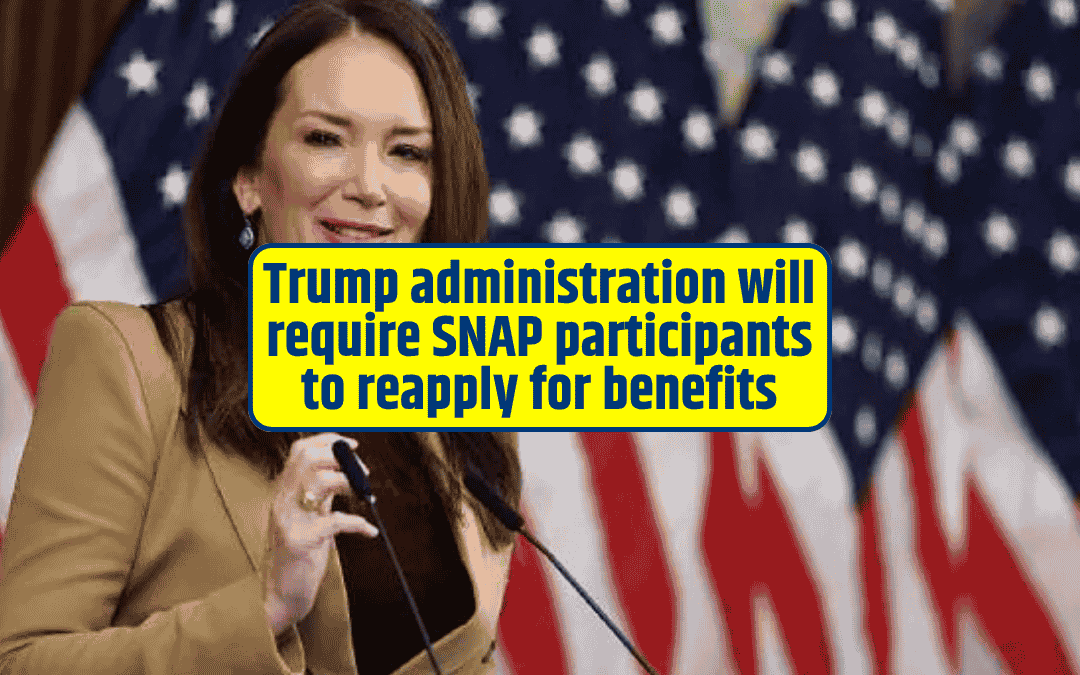
Agriculture Secretary Rollins has indicated she may require all existing SNAP participants to reapply for benefits, even though current rules already mandate ongoing eligibility reviews. Advocates warn this could create administrative barriers that push more people off the program.
States are struggling to interpret the USDA’s new guidance, issued during the shutdown. California — home to more than 5 million SNAP users — says it is still reviewing the new requirements.
More Cuts Loom for Medicaid and ACA Access
The tightening of safety net rules extends beyond food assistance. Millions of low-income families are expected to lose Medicaid coverage as stricter work requirements phase in. The law also bars certain legal immigrants and refugees from receiving Affordable Care Act subsidies.
At the same time, the administration is pursuing a new “public charge” rule that experts say could deter millions more from seeking federal aid.
Food Banks Bracing for Demand They Can’t Meet
As housing, food, and utility costs continue to rise, more families are turning to food banks. But charities are struggling to fill the gap left by recent federal funding cuts and the chaos caused by disrupted SNAP payments.
Feeding America reported a 325% increase in food purchases through its Grocery Purchase Program during the week of Oct. 27 compared to the same week last year.
New York-based Rethink Food tripled its weekly meals — from 40,000–50,000 to nearly 120,000 — during the shutdown.
“This is just the beginning,” said CEO Matt Jozwiak. “The new law is permanent — and the situation could not be worse.”
Local Organizations Step In — but They Can’t Replace SNAP
Refugee support nonprofits are beginning to expand emergency food services as thousands prepare to lose benefits. Homes Not Borders, for example, is now using its warehouse and delivery trucks to distribute food to newly arriving families.
But nonprofit leaders stress that their help cannot match federal resources. SNAP provides nine meals for every one offered by food banks.
Cyndi Kirkhart, who runs a food bank in West Virginia, worries about the future:
“At some point, everyone is affected by crises. So when do people finally say, ‘I can’t do any more’?”
FAQs
Why are millions of Americans at risk of losing SNAP benefits?
A new federal tax and spending law imposes stricter work requirements, shifts SNAP costs to states, and restricts eligibility for certain legal immigrants, leading to the largest cuts in the program’s history.
What changes are being made to SNAP work requirements?
Parents, older adults, and other SNAP recipients must now meet tighter work requirements. States have begun notifying participants, triggering a three-month countdown to comply or lose benefits.
How will legal immigrants and refugees be affected?
Tens of thousands of lawfully present immigrants, including refugees and humanitarian visa holders, will lose access to SNAP immediately under the new law.
Why are states struggling to implement the new SNAP rules?
USDA issued new guidance during the shutdown, but many states — including California — are still working to interpret the policies and update their systems accordingly.
Will food banks be able to fill the gap left by SNAP cuts?
No. Charities are already strained, and SNAP provides nine meals for every one offered by food banks. Nonprofit leaders warn they cannot absorb the increased demand.
How will the new law impact other safety net programs?
Millions may also lose Medicaid coverage due to new work requirements, and certain immigrants will become ineligible for Affordable Care Act subsidies. A new public charge rule could further discourage participation in federal aid programs.