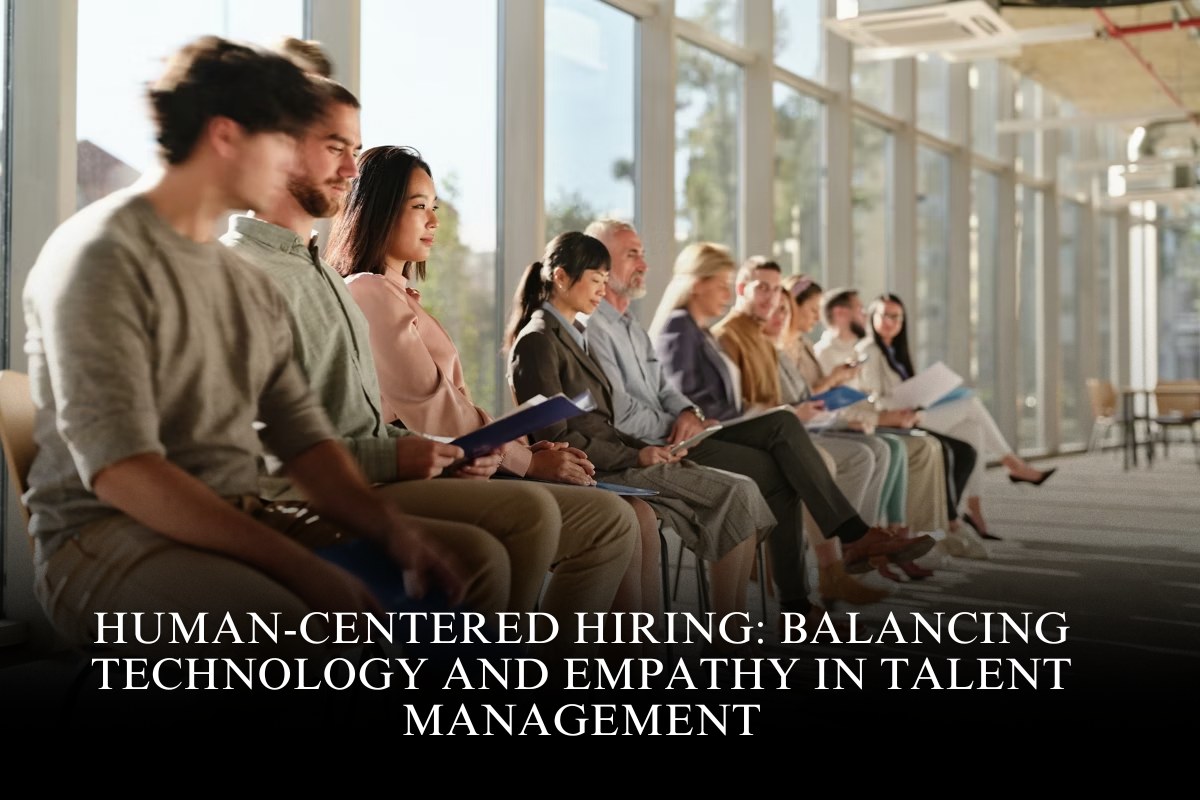
In 2025, hiring practices are increasingly leveraging advanced technology while emphasizing the human element. Human-centered hiring blends the efficiency and insights of artificial intelligence (AI) with empathy, transparency, and personalized communication to create a recruitment process that respects candidates and improves decision-making. This balance is crucial to building trust, ensuring fairness, and attracting the best talent in a competitive market.
Embracing AI with Transparency and Trust
AI accelerates many recruitment functions such as resume screening, candidate matching, and interview scheduling, enabling recruiters to manage high volumes efficiently. However, transparency about AI usage is essential to maintain candidate trust. Recruiters who openly explain which AI tools are involved and how decisions are made build confidence in the process.
This openness also helps organizations comply with emerging regulations, such as the EU AI Act, which requires human oversight and bias monitoring in hiring systems. Human-centered organizations avoid “black box” AI and prioritize explainable, validated tools.
Personalized and Consistent Communication
Candidates today expect clear, consistent updates throughout the hiring journey. Silence or delays alienate applicants and hurt employer branding. Human-centered hiring establishes communication service level agreements to ensure recruiters provide timely feedback and answer candidate questions.
This kind of empathetic communication not only improves the candidate experience but also reduces dropout rates from the recruitment funnel. Personalized outreach shows respect for candidates’ time and effort and reinforces a positive impression of the employer.
Keeping Empathy Central
While AI can handle repetitive, transactional tasks, nuanced human interactions remain critical. Interviewers and recruiters must listen actively, show understanding, and address candidates’ concerns honestly.
Human empathy improves candidate evaluation by assessing attributes like motivation, cultural fit, and interpersonal skills—areas where AI still falls short. Candidates remember respectful and engaging personal interactions and share these experiences within professional networks, amplifying the employer brand organically.
Ethical AI and Compliance Imperatives
The use of AI in hiring carries responsibility. Legal challenges and regulatory developments emphasize the need for bias-free, fair, and accountable AI systems. Organizations must monitor their AI tools continuously for potential discrimination and maintain human control over final hiring decisions.
Incorporating ethical audits and transparent reporting protects organizations from liability and aligns hiring with diversity, equity, and inclusion goals. Ethical AI deployment is a competitive advantage, signaling trustworthiness to candidates and stakeholders.
Hybrid Hiring Processes
Human-centered hiring also embraces hybrid workflows that combine digital automation with human judgment. For instance, AI may pre-screen candidates, while humans conduct in-depth interviews and cultural assessments.
Video interviewing platforms and asynchronous video responses speed up logistics yet allow recruiters to focus attention where it matters most. Hybrid models represent the future of hiring, blending the best of technology and humanity for optimal outcomes.
Flexibility and Adaptability
The pandemic accelerated flexible work expectations, and modern hiring reflects this shift. Candidates seek roles accommodating remote and hybrid work. Human-centered approaches respect these preferences and tailor recruitment to diverse candidate needs.
Organizations adapt by offering virtual onboarding, remote assessments, and flexible scheduling, demonstrating empathy and responsiveness to evolving workforce demands.
Frequently Asked Questions (FAQ)
Q: What is human-centered hiring?
A: It’s an approach that integrates AI and automation with transparent processes, empathetic communication, and human judgment to create hiring that respects candidates and optimizes outcomes.
Q: Why is transparency about AI use important?
A: Transparency builds candidate trust, ensures regulatory compliance, and prevents perceptions of unfairness or “black box” decision-making in hiring.
Q: How does empathy improve recruitment?
A: Empathy in interpersonal interactions helps assess candidates’ motivations and fit, enhances candidate experience, and strengthens employer brand through positive word-of-mouth.
Q: What are ethical AI hiring practices?
A: These include bias monitoring, human oversight of AI decisions, transparent reporting, and adherence to regulations ensuring fairness and inclusion.
Q: How do hybrid hiring processes work?
A: They combine automated tasks like pre-screening with human-led activities such as detailed interviews to leverage technology while preserving human insight.
Q: Why is flexibility vital in modern hiring?
A: Offering remote work options and flexible processes aligns hiring with candidate preferences and workforce trends, increasing attractiveness and retention.