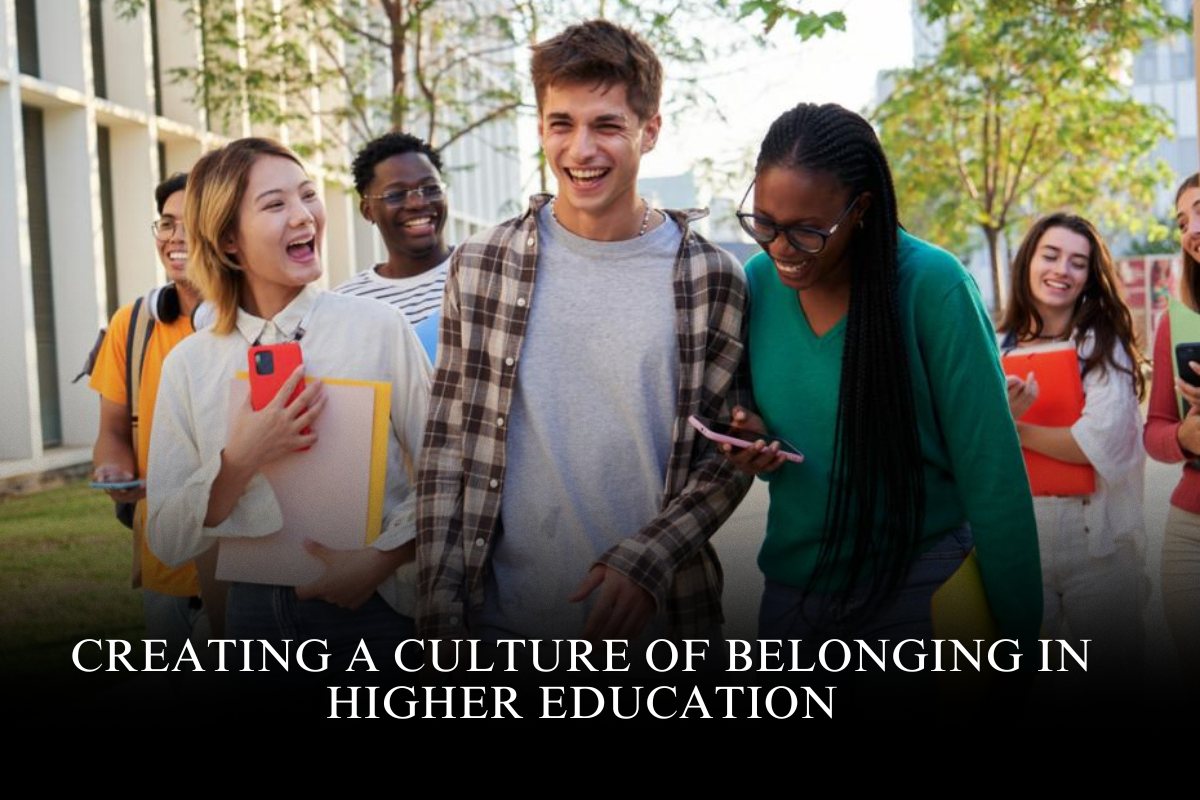
A culture of belonging in higher education is fundamental for student success, faculty engagement, and institutional resilience. When students, faculty, and staff feel accepted, valued, and connected, they thrive academically, emotionally, and socially. In 2025, creating authentic belonging requires holistic efforts rooted in inclusivity, communication, support, and active engagement.
Promoting Inclusivity and Equity
Building belonging begins with inclusive policies that ensure equitable access to opportunities and resources regardless of identity or background. Institutions implement robust diversity and inclusion frameworks addressing barriers related to race, gender, disability, socioeconomic status, and more. Accessible infrastructure, decolonized curricula, and staff diversity initiatives provide a foundation where everyone genuinely belongs and succeeds.
Providing Comprehensive Support Services
Personalized academic and pastoral support is critical to help all community members navigate challenges and build confidence. Effective programs include mental health resources, mentoring, peer support networks, and accommodations tailored to unique needs. These services create safe spaces for individuals to express concerns and find assistance, reinforcing their sense of belonging and well-being.
Fostering Open Dialogue and Communication
Transparent, responsive communication channels empower students and faculty to voice their experiences, share ideas, and contribute to decision-making. Universities cultivate spaces for constructive dialogue such as forums, student councils, and diversity committees. Honest conversations around identity, inclusion, and equity deepen understanding and align institutional values with lived realities.
Celebrating Diversity through Events and Programs
Cultural celebrations, speaker series, art exhibitions, and affinity groups highlight the rich diversity within campuses. These initiatives encourage students and staff to share their heritage and stories, fostering mutual respect and cross-cultural learning. Celebrating differences not only enriches campus life but also strengthens connections that underpin belonging.
Engaging Underrepresented Communities
Intentional engagement with historically marginalized groups ensures their voices shape campus culture and policies. Facilitating advisory councils, focus groups, and leadership opportunities for underrepresented populations promotes inclusivity in practice — not just rhetoric. Such collaboration leads to more equitable environments where diverse perspectives are respected.
Building Partnerships Inside and Outside Campus
Higher education institutions partner with community organizations, industry, and social groups to extend learning beyond campus and reinforce belonging through shared goals. These partnerships offer internships, service-learning, and cultural exchange opportunities that connect students to real-world experiences, elevating their sense of purpose and inclusion.
Leadership Commitment to Inclusive Culture
Strong leadership sets the tone for belonging by modeling inclusive behaviors, prioritizing equity, and making accountability transparent. Leaders champion policies and practices that nurture respect, psychological safety, and a cohesive academic community. Persistent reflection, assessment, and adaptation help sustain an evolving culture that welcomes all.
Frequently Asked Questions (FAQ)
Q: What does a culture of belonging mean in higher education?
A: It means students, faculty, and staff feel accepted, valued, supported, and connected within the academic community, enabling success and well-being.
Q: How do inclusivity and equity relate to belonging?
A: Inclusivity ensures access and participation for all, while equity addresses structural barriers, creating a fair environment where everyone can thrive.
Q: What role do support services play in fostering belonging?
A: Personalized academic and pastoral support help individuals navigate challenges, reinforce well-being, and strengthen their connection to the institution.
Q: Why is open communication important for belonging?
A: Transparent dialogue allows sharing of experiences and influences decision-making, deepening trust and understanding across campus.
Q: How can celebrations and programs promote belonging?
A: They showcase cultural diversity, foster mutual respect, and create communal experiences that build strong bonds.
Q: Why engage underrepresented communities actively?
A: It ensures their voices shape policies and culture, making inclusion meaningful and comprehensive.
Q: What is leadership’s role in creating belonging?
A: Leaders must model inclusivity, prioritize equity, maintain accountability, and foster a respectful and cohesive academic environment.