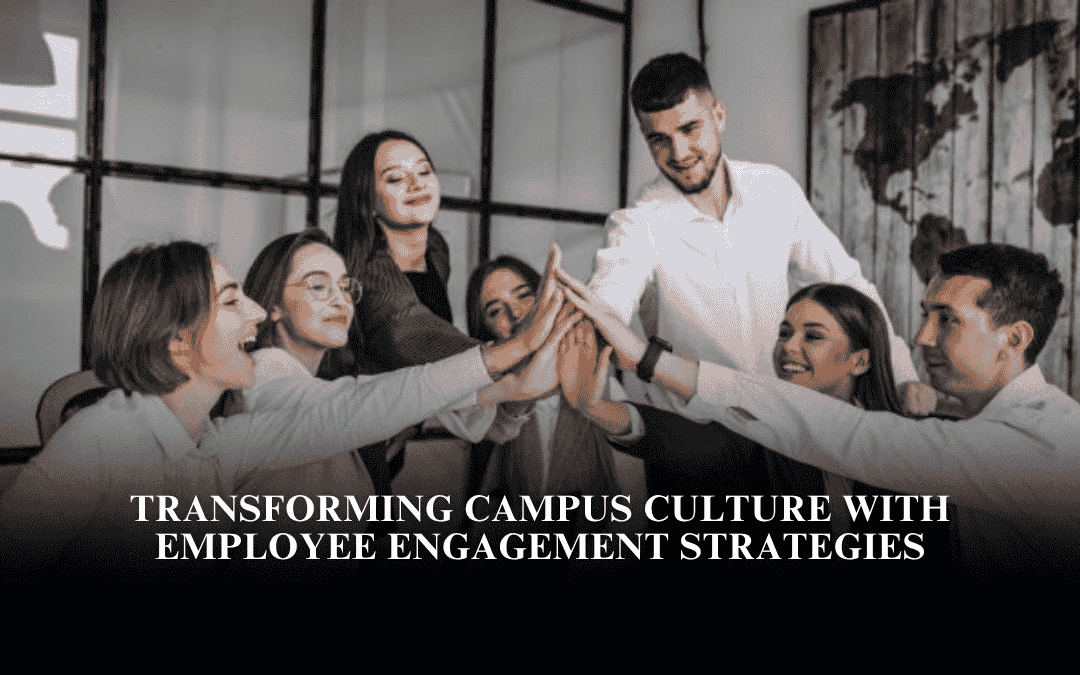
In today’s interconnected educational landscape, collaboration is the cornerstone of innovation. For organizations like The Academic Network, which connects educators, students, and support staff across disciplines, engaging employees from different departments is vital for shared success.
Cross-department collaboration builds trust, encourages creative problem-solving, and leads to stronger organizational outcomes.
Building a Culture of Connection
Creating a collaborative environment begins with culture. Leadership must promote open communication and emphasize shared goals rather than isolated departmental objectives.
Regular town halls, interdepartmental meetings, and digital collaboration platforms like Microsoft Teams or Slack help bring people together.
When employees see how their work contributes to the institution’s broader mission, they are more likely to engage meaningfully with colleagues in other departments.
Establishing Clear Communication Pathways
Effective collaboration depends on transparent communication. The Academic Network and similar organizations can implement structured communication frameworks, such as project charters or cross-functional task forces, to outline roles and responsibilities.
This clarity minimizes misunderstandings and ensures every team member feels heard. Tools like Asana, Trello, or Notion can centralize updates and allow real-time coordination between departments.
Leveraging Diversity of Expertise
Each department holds unique expertise that can enrich institutional strategies. Encouraging cross-training, joint research projects, and interdisciplinary workshops allows employees to share knowledge and appreciate diverse perspectives.
For instance, faculty development teams collaborating with IT departments can create more sophisticated digital learning platforms, benefiting students and instructors alike.
Recognizing and Rewarding Collaboration
Recognition strengthens engagement. When The Academic Network acknowledges successful cross-department projects, it reinforces collaborative behavior. Incentive programs, collaborative achievement awards, and public appreciation can inspire others to participate.
It also nurtures a sense of shared purpose that drives employees beyond individual assignments.
Supporting Collaboration Through Leadership
Leaders play a crucial role in modeling collaboration. Department heads and administrators should actively participate in cross-unit projects to demonstrate commitment.
Mentorship programs connecting employees from different functions also help bridge gaps and foster long-term collaboration habits.
Measuring and Sustaining Engagement
Monitoring collaborative efforts ensures sustained progress. Regular surveys, performance analytics, and feedback sessions can highlight what works and where adjustments are needed.
Continuous improvement keeps teams aligned with institutional goals and promotes accountability across departments.
FAQs
How can leadership encourage collaboration?
Leaders should model interdisciplinary teamwork, establish shared goals, and allocate time and resources for cross-department initiatives. When leadership visibly values collaboration, employees are more likely to follow suit.
What challenges do academic organizations face in cross-department collaboration?
Common challenges include communication barriers, unclear authority structures, and departmental silos. Addressing these requires transparent communication channels and clearly defined expectations.
Why is collaboration important in academic environments?
Collaboration enhances innovation, resource efficiency, and employee satisfaction. It also allows institutions to develop comprehensive solutions that benefit students, faculty, and staff.
What digital tools support interdepartmental engagement?
Tools such as Slack, Microsoft Teams, Google Workspace, and Asana streamline communication, document sharing, and project management across departments.
How does collaboration benefit employees personally?
Employees who engage in cross-department projects often gain new skills, broader perspectives, and a deeper sense of purpose, improving both professional growth and workplace relationships.