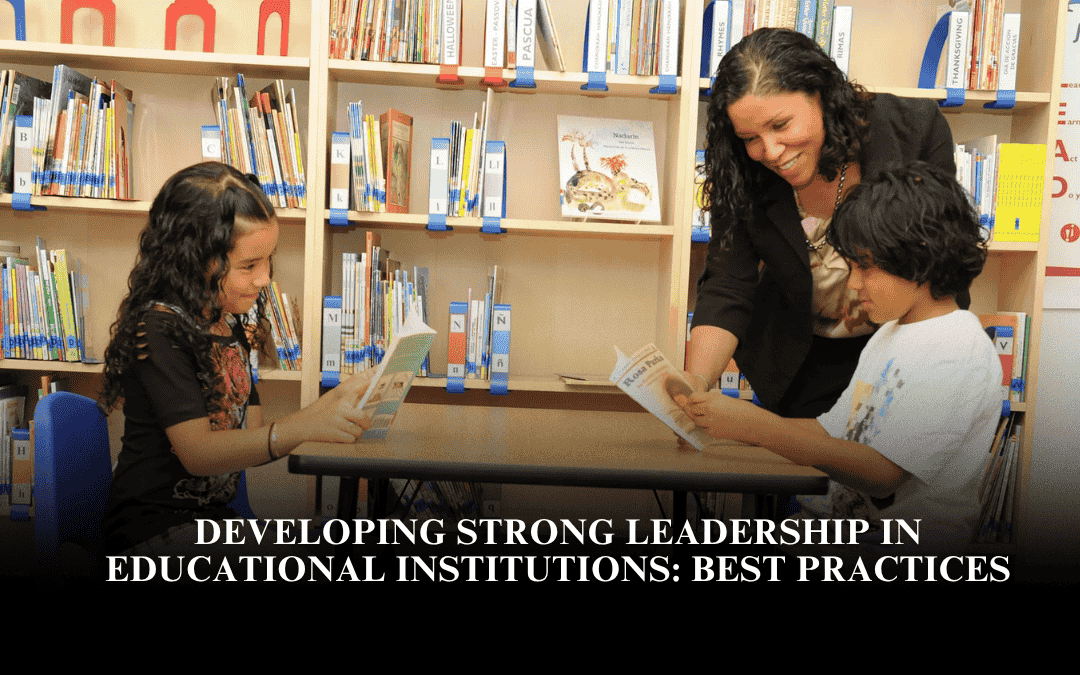
Effective leadership in educational institutions is crucial for the success of students, faculty, and the entire school community. Strong leaders in schools help shape academic achievement, foster a positive culture, and drive innovation.
In the United States, educational leaders are expected to balance a wide range of responsibilities, from curriculum development to staff management and community outreach.
This article explores best practices for developing strong leadership within educational institutions, focusing on strategies that can enhance leadership skills and create thriving academic environments.
The Role of Leadership in Education
Educational leaders play a pivotal role in shaping the direction and culture of a school or district. Their responsibilities include establishing a vision, setting goals, fostering a collaborative culture, and ensuring that all members of the community—students, teachers, and parents—are engaged in the educational process.
Leadership goes beyond administrative duties; it involves creating an environment where all stakeholders feel valued and supported.
Best Practices for Developing Strong Leadership
1. Establish a Clear Vision and Mission
A clear vision and mission are fundamental to effective leadership. Strong leaders ensure that their school or district has a shared vision that aligns with the needs of students and the values of the community.
The vision should be inspiring and inclusive, offering a roadmap for the future while fostering a sense of belonging and purpose for all. Educational leaders must communicate this vision effectively and make sure that it is reflected in day-to-day practices.
2. Foster a Culture of Collaboration and Trust
Collaboration among staff, students, and parents is key to successful educational leadership. Leaders must create a culture of trust where open communication and cooperation are encouraged.
Regular meetings, professional development opportunities, and team-building activities can help strengthen relationships among teachers and staff, fostering an environment of shared responsibility and mutual respect.
3. Prioritize Professional Development
Continuous professional development is essential for leadership growth. Schools should provide opportunities for both emerging and experienced leaders to expand their skills.
This can include leadership training programs, mentoring, and networking opportunities with other educational leaders. Strong leaders understand the value of staying current with best practices, educational trends, and technological advancements.
4. Lead by Example
Effective leaders set a strong example for their teams. This means demonstrating the same work ethic, values, and commitment they expect from others. Leading by example involves being hands-on, providing support to staff, and actively engaging with students.
A leader who is visible and approachable will inspire confidence and respect from their team, which in turn promotes a positive and productive environment.
5. Encourage Data-Driven Decision Making
Data-driven decision making is vital for improving educational outcomes. Strong leaders use data to assess the effectiveness of instructional practices, identify areas for improvement, and make informed decisions.
By analyzing student performance, attendance, and other key metrics, leaders can develop strategies that address the specific needs of their school or district.
6. Focus on Student-Centered Leadership
Strong educational leadership prioritizes the needs of students. Leaders should continuously seek to improve educational practices that promote student learning and well-being.
This involves understanding the diverse needs of the student body, creating inclusive environments, and advocating for policies that support student success.
A student-centered approach ensures that all students, regardless of their background, have the opportunity to succeed.
FAQs
What are the key qualities of an effective educational leader?
An effective educational leader is visionary, collaborative, empathetic, and adaptable. They should possess excellent communication skills, a strong sense of integrity, and the ability to make data-driven decisions. Additionally, they must be committed to continuous learning and the professional development of their staff.
How can leadership development be integrated into a school’s culture?
Leadership development can be integrated into a school’s culture by creating opportunities for mentorship, leadership training, and professional growth. Encouraging teachers to take on leadership roles in curriculum development, student organizations, and community outreach helps cultivate a sense of shared responsibility and empowers staff members to grow as leaders.
Why is fostering a culture of trust important in schools?
Fostering a culture of trust is critical because it builds a supportive and collaborative work environment. Trust between school leaders, teachers, students, and parents helps create open lines of communication and encourages innovation. It also leads to higher levels of job satisfaction and improved student outcomes.
What role does data play in educational leadership?
Data plays a significant role in educational leadership because it provides insights into student performance, teaching effectiveness, and operational efficiency. By using data to inform decisions, leaders can implement targeted interventions, track progress, and make adjustments to improve outcomes for students and staff.