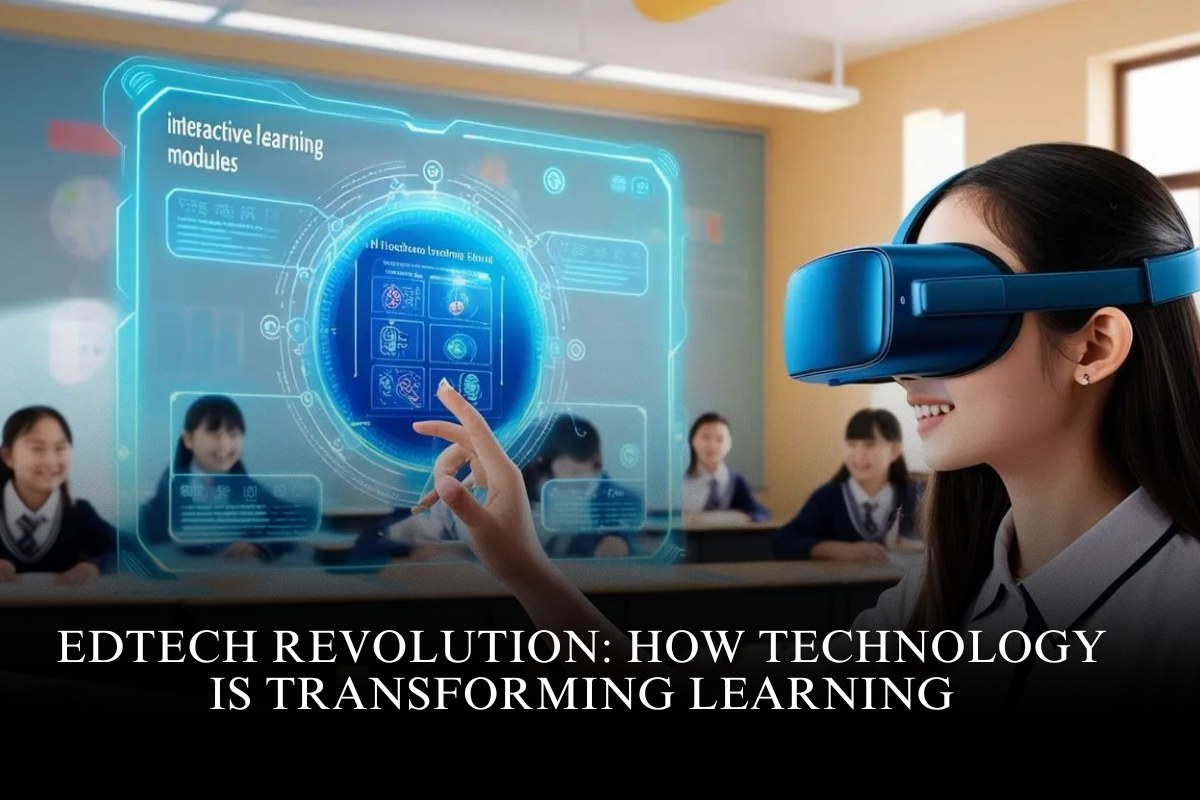
The educational technology (EdTech) revolution is reshaping learning experiences across schools, universities, and workplaces in 2025. Advanced technologies—from artificial intelligence to immersive reality—are breaking traditional boundaries and creating personalized, engaging, and flexible learning environments. This transformation promises more inclusive and effective education for diverse learners worldwide.
AI-Driven Personalized Learning
Artificial intelligence (AI) is at the heart of EdTech innovation. AI-powered platforms analyze learners’ strengths, preferences, and progress, customizing content and pacing accordingly. Tools like adaptive tutoring systems ensure no student is left behind by providing targeted interventions and support. This personalization enhances engagement, motivation, and knowledge retention, making learning more efficient and enjoyable.
Immersive Learning with VR and AR
Virtual reality (VR) and augmented reality (AR) technologies add experiential depth to education. Students can virtually explore historical sites, conduct scientific experiments, or visualize complex anatomical structures. These immersive experiences create memorable, hands-on learning opportunities that transcend traditional textbooks, fostering deeper understanding and skill mastery.
Gamification for Engagement and Motivation
Gamification integrates game mechanics such as points, leaderboards, and challenges into learning. Platforms like ClassDojo and Kahoot! turn lessons and assessments into interactive games, boosting student motivation and participation. Gamified learning supports positive competition and rewards progress, making learning fun and dynamic, especially for younger learners.
Expansion of Microcredentials
Microcredentials and digital badges are gaining prominence as flexible, stackable certifications. These credentials validate specific skills and competencies, offering learners diverse paths to demonstrate capabilities and advance careers. Educational institutions and employers increasingly recognize microcredentials, fostering lifelong learning and workforce readiness.
Hybrid and Flexible Learning Models
Blending in-person and online learning offers flexibility for diverse learners. Hybrid models combine the benefits of face-to-face interaction with the convenience of remote access, accommodating different learning styles and schedules. This approach broadens access and supports continuous engagement in education.
Learning Analytics and Adaptive Teaching
Learning analytics collect and analyze data on student performance, behaviors, and outcomes. Educators use these insights to tailor instruction and provide timely feedback. Adaptive teaching methods informed by data help identify struggling students early and offer personalized support, improving academic outcomes and reducing dropout rates.
Social Learning Platforms
Digital platforms that enable peer collaboration, discussion forums, and group projects create vibrant learning communities. Social learning fosters deeper understanding through shared knowledge and encourages community-building, combating isolation often associated with online education.
Cybersecurity in EdTech
As reliance on digital tools grows, protecting student data and ensuring secure learning environments is a top priority. EdTech companies and educators invest in encryption technologies, multi-factor authentication, and cyberthreat monitoring to safeguard privacy and maintain trust.
Challenges and Future Opportunities
EdTech faces challenges including digital divide issues, educator training gaps, and ethical concerns around AI bias. Addressing these requires collaborative efforts among policymakers, educators, and technology providers. The ongoing evolution of EdTech is poised to enhance accessibility, inclusivity, and quality in education globally, making it an exciting frontier for learners and educators alike.
SOURCE
Frequently Asked Questions (FAQ)
Q: How does AI personalize learning experiences?
A: AI assesses individual learning styles and progress to tailor content and pacing, ensuring effective and engaging education.
Q: What benefits do VR and AR bring to education?
A: They provide immersive, hands-on experiences that enhance comprehension and make learning memorable.
Q: Why is gamification effective in learning?
A: Gamification motivates students through interactive, game-like elements that encourage participation and reward progress.
Q: What are microcredentials?
A: These are flexible, digital certifications for specific skills that support lifelong learning and workforce readiness.
Q: Why is hybrid learning important?
A: It combines online convenience with in-person interaction, increasing access and accommodating diverse learner needs.
Q: How do learning analytics improve teaching?
A: Analytics provide data-driven insights to customize instruction and support at-risk students, improving outcomes.
Q: What measures ensure cybersecurity in EdTech?
A: Encryption, multi-factor authentication, and real-time monitoring protect student data and maintain secure environments.