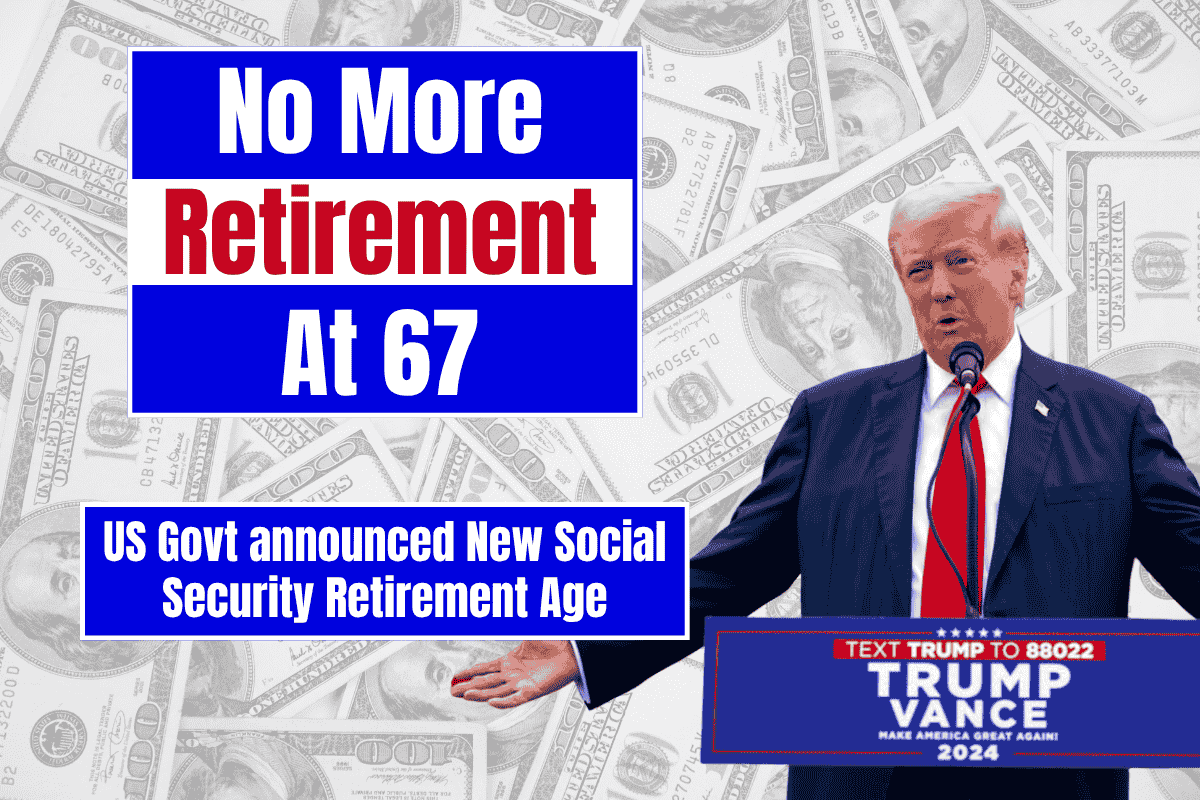
The idea of retirement at 65 has been a long-standing goal for many Americans. But with changing times, that target age is slowly moving. From 2025, those born in 1959 will officially see their Full Retirement Age (FRA) go up to 66 years and 10 months.
While this may not seem like a huge jump, it can affect your financial future in a big way. Whether you’re planning to retire early or work longer, it’s important to know what this change means and how to prepare smartly for it.
Understanding the New Full Retirement Age
The U.S. government introduced reforms back in 1983 to strengthen the Social Security system. As part of that, the full retirement age started increasing gradually from 65 to 67. This was done to keep up with longer life expectancies.
Here’s a quick look at how FRA has changed based on year of birth:
| Year of Birth | Full Retirement Age (FRA) |
|---|---|
| 1954 or earlier | 66 years |
| 1955 | 66 years, 2 months |
| 1956 | 66 years, 4 months |
| 1957 | 66 years, 6 months |
| 1958 | 66 years, 8 months |
| 1959 | 66 years, 10 months |
| 1960 or later | 67 years |
So, for those born in 1959, retiring before FRA means lower monthly Social Security payments. For example, if you claim at 62, you’ll receive only about 71% of your full benefit. But if you delay claiming beyond your FRA, your benefit increases by 8% each year, up to age 70 — giving you a potential 32% boost.
How to Retire Before Full Retirement Age
Not everyone wants to or is able to work until FRA. Here are a few ways to make early retirement easier:
- Phased Retirement: Work part-time or reduce your working days to stretch your income while giving yourself more free time.
- Build a Cash Runway: Save up 18–24 months of living expenses in a savings or money market account. This lets you avoid withdrawing from your investments during market dips.
- Monetize Your Home: Renting out a spare room or even your driveway can earn you $700–$1,000 per month for a room or $150–$300 per month for parking in city areas.
- Bridge Jobs with Benefits: Companies like Costco, Trader Joe’s, or Home Depot in the U.S. offer part-time jobs with medical benefits — ideal if you need coverage before Medicare kicks in.
These strategies help you cover your expenses, stay insured, and reduce the pressure on your retirement savings.
Tax and Income Strategies for Early Retirees
If you’re planning to retire early, it’s important to manage your income and taxes wisely. Here’s how to do that:
- Withdraw from Taxable Accounts First: Start with regular investment accounts before using retirement accounts like 401(k)s or IRAs to avoid penalties.
- Use Roth IRA Contributions: You can withdraw your original contributions tax-free and penalty-free anytime, making it a flexible option.
- Keep Your Income Low for ACA Subsidies: If you need health insurance before 65, keeping your income low helps you qualify for government subsidies under the Affordable Care Act.
- Pick Up a Side Gig: You can earn extra income by tutoring online, freelancing, or offering services like pet sitting or craft-making. Online tutors can make $30–$50 per hour with flexible hours.
What Could Happen Next: Future Retirement Age Changes
The full retirement age is set to become 67 for those born in 1960 or later. However, there are already talks in the U.S. government about raising it further to 68 or 69 to help manage Social Security funding. While nothing is confirmed yet, it’s good to be ready.
Here’s how to prepare:
- Maintain an emergency cash reserve
- Diversify your income sources
- Use tax-smart withdrawal plans
Flexibility in your retirement plan is the best way to stay safe against future policy changes.
Planning for a Smarter Retirement
The move from a fixed retirement age of 65 to a more flexible, extended timeline shows just how much retirement planning has changed. The increase in FRA to 66 years and 10 months for those born in 1959 is just one example of how retirement rules are shifting.
To retire comfortably, you’ll need to think beyond just saving money. You must also consider when to retire, how to manage your taxes, and how to make your money last.
Whether that means working part-time, delaying benefits, or building passive income, smart planning can help you enjoy retirement on your own terms. Retirement is no longer just about age — it’s about strategy, flexibility, and preparation., and preparation.
One proposal under discussion is to raise the FRA
Social Security faces significant financial challenges, with projections suggesting the program’s trust funds could be depleted by 2034. If this happens, retirees could see their benefits reduced to just 81% of what they were promised. Lawmakers are considering potential solutions, such as raising payroll taxes or further increasing the FRA.
One proposal under discussion is to raise the FRA to 69 between 2026 and 2033, which would affect millions of workers currently aged between 30 and 55. While some argue this is necessary to keep Social Security solvent, critics warn that such changes could negatively impact those in physically demanding jobs or with lower life expectancies.
For those planning for retirement, the Social Security Administration offers tools like the retirement age calculator and personalized benefit estimates through My Social Security accounts, allowing individuals to model how these changes will affect their financial future.
The increase in the Full Retirement Age in 2026 is just one of the many changes that older Americans need to consider in their retirement planning. While the tax relief provided by Trump’s bill offers some help, it doesn’t completely address the challenges facing Social Security.
As lawmakers continue to debate the future of the program, retirees must stay informed and plan carefully to navigate the evolving landscape of Social Security and retirement benefits.
FAQs
1. What is the new full retirement age for those born in 1959?
Starting in 2026, people born in 1959 will reach full retirement age at 66 years and 10 months.
2. Can I retire at 62 even if my FRA is 66 years, 10 months?
Yes, you can, but your monthly Social Security benefits will be reduced by nearly 29% permanently.
3. Is it better to delay taking Social Security beyond FRA?
Yes. For every year you delay past your FRA (up to age 70), your benefit increases by around 8%, up to 32% more.
4. How can I manage health insurance before turning 65?
You can work part-time with employer benefits or keep your income low to qualify for ACA health insurance subsidies.
5. Will retirement age rise again in the future?
It might. Discussions are ongoing to raise the age further, possibly to 68 or 69, but no final decisions have been made yet.