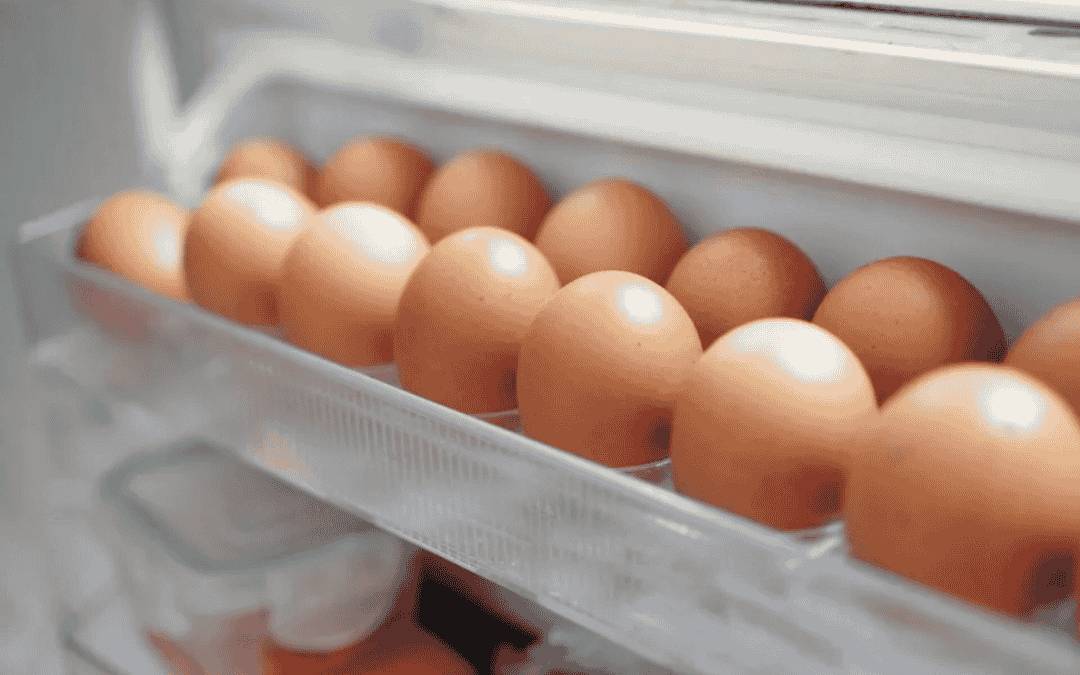
If you toss out eggs just because the “best by” date has passed, you’re likely wasting money. Many people misunderstand the label, assuming it marks the exact moment eggs expire. In reality, that date is only a guideline, not a strict rule.
According to a CNET survey, the average American wastes about $1,500 in uneaten food each year—and tossing out good eggs is a big part of the problem.
The truth is, there are simple ways to tell whether your eggs are still safe to eat without relying solely on the printed date. Here’s how long eggs really last, how to store them properly, and how to tell when they’ve gone bad.
How Long Do Eggs Last in the Fridge
Eggs can usually stay good for three to five weeks in the refrigerator, according to the U.S. Department of Agriculture. In many cases, they’re still safe to eat for a week or two after the “best by” date, as long as they’ve been stored correctly.
Food safety expert Zachary Cartwright from the Institute of Food Technologists explains that storing eggs properly helps extend their freshness.
Keep them in their original carton with the pointed end facing down. This position keeps the air cell at the top, slowing moisture loss and helping the yolk stay centered.
He also recommends keeping eggs in the coldest part of the refrigerator, not in the door, where temperatures fluctuate. Hard-boiled eggs stored in their shells can last about a week in the fridge.
Why We Refrigerate Eggs
In the United States, refrigeration is necessary because eggs are washed before packaging, which removes the natural protective coating from the shell. Without this coating, eggs are more vulnerable to bacteria, including salmonella.
Cartwright notes that in some countries, eggs are not refrigerated because they retain their natural protection. However, once eggs have been refrigerated, they should always remain that way to avoid condensation, which can encourage bacterial growth.
The USDA advises storing eggs in the refrigerator as soon as possible after they are collected.
Can You Freeze Eggs
Eggs can be frozen, but never in their shells. Crack them first and either beat them together or freeze the yolks and whites separately. The USDA reports that egg whites freeze better than yolks because their texture remains consistent. If freezing yolks, add a small amount of salt, sugar, or corn syrup to help preserve texture.
You can also pour beaten eggs into ice cube trays or muffin tins to create single portions. Once frozen, transfer them to freezer-safe bags, where they can stay good for up to one year. Cooked eggs, such as scrambled eggs or egg bites, can also be frozen and stored for up to three months.
How to Test Egg Freshness
If you’re unsure whether your eggs are still good, try the float test. Fill a large glass with cold water and gently place an egg inside.
If the egg sinks and lays flat, it’s fresh. If it sinks but stands upright, it’s still safe but should be used soon. If the egg floats to the top, it has gone bad and should be discarded.
This works because air builds up inside the egg as it ages, making it more buoyant. Keep in mind that freshness can vary between eggs in the same carton, so test each one individually.
After cracking an egg, look and smell for signs of spoilage. A strong sulfur-like odor indicates the egg has gone bad. Unusual colors such as pink, green, or iridescent shades in the yolk or whites also signal bacterial contamination.
Are “Best By” Dates Accurate
The “best by” date on egg cartons is simply a quality guideline, not a safety cutoff. Eggs can remain good for up to two weeks after this date if stored correctly. As eggs age, their texture may change—the whites can become thinner, and the yolk may lose firmness—but they’re often still safe to eat.
Is It Bad to Eat Expired Eggs
Eating eggs past the “best by” date isn’t necessarily unsafe if they’ve been properly stored and pass the freshness tests. The key is to check each egg individually using the float test, inspect for odd colors, and note any off smells.
If the egg looks and smells normal, it’s likely safe to eat. If anything seems off, it’s best to discard it. The safest approach is to consume eggs while they’re freshest, but knowing these simple checks can help you avoid unnecessary waste.
FAQs
How long do eggs last in the fridge?
Eggs generally stay fresh for three to five weeks when stored in the refrigerator. In many cases, they remain safe to eat for up to two weeks past the ‘best by’ date, provided they are kept properly chilled.
Is it safe to eat eggs after the best by date?
Yes, as long as the eggs have been stored correctly and show no signs of spoilage. Perform a float test and check for any off odors or discoloration before using them.
What is the float test for eggs?
To perform the float test, fill a glass with cold water and gently drop an egg in. If it sinks and lays flat, it’s fresh. If it stands upright, it’s still good but older. If it floats to the top, it should be discarded.
Why do eggs need to be refrigerated in the United States?
In the U.S., eggs are washed before packaging, removing their natural protective coating. This process helps prevent bacteria like salmonella but makes refrigeration necessary to maintain safety.
Can I freeze eggs for later use?
Yes, eggs can be frozen after removing them from their shells. Beat them together or separate yolks and whites before freezing. Frozen eggs can last up to one year when stored properly.
How can I tell if an egg has gone bad?
A spoiled egg may have a strong sulfur smell or show unusual coloring such as pink, green, or iridescent tones in the whites or yolk. Any egg showing these signs should be discarded immediately.
Where should I store eggs in the refrigerator?
Store eggs in their original carton in the coldest part of the fridge, not the door, to avoid temperature fluctuations that can shorten their freshness.