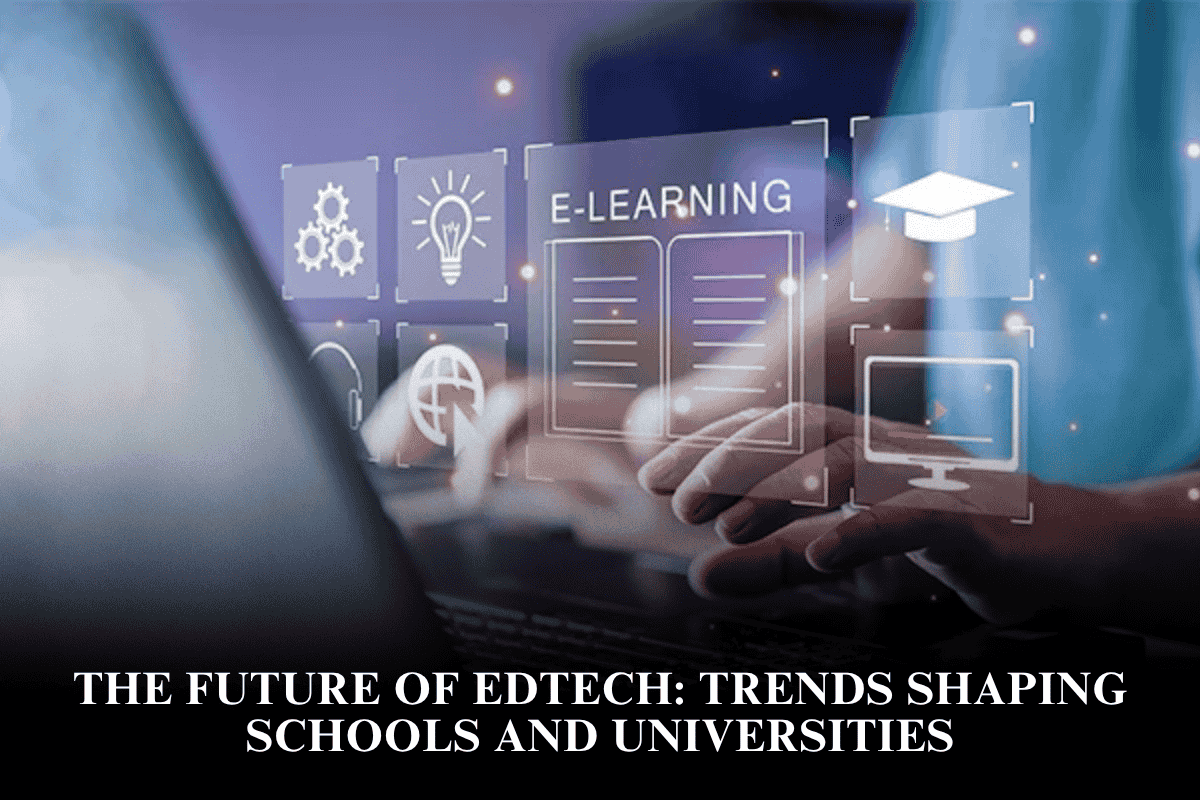
The rapid advancements in educational technology (EdTech) are transforming the global education landscape. In 2025, technology-driven learning solutions are breaking down traditional barriers such as geographic location, socioeconomic disparities, language differences, and varied learning needs. By innovating how education is delivered, EdTech bridges gaps, making learning accessible, adaptable, and engaging for all.
Expanding Access with Mobile and Online Learning
Mobile learning platforms and online courses enable students to engage with quality education from any location, removing geographic constraints. These platforms support hybrid and remote learning models, allowing flexibility in time and pace. For underserved and rural populations, mobile access is a game changer, delivering interactive content that was previously inaccessible due to infrastructure limitations.
Personalized and Adaptive Learning
AI-powered adaptive systems customize instruction based on individual learner progress and preferences. This personalization ensures that students receive support tailored to their strengths and weaknesses, facilitating deeper understanding and mastery. Features like instant feedback, gamified learning, and behavioral insights further enhance motivation and retention.
Localized and Multilingual Content
EdTech solutions are increasingly offering content in regional languages and culturally relevant contexts. This inclusivity helps bridge language and cultural gaps, improving comprehension and engagement for diverse learners. Multilingual platforms empower non-English speakers and contribute to equitable learning outcomes.
Connecting Students with Expert Educators
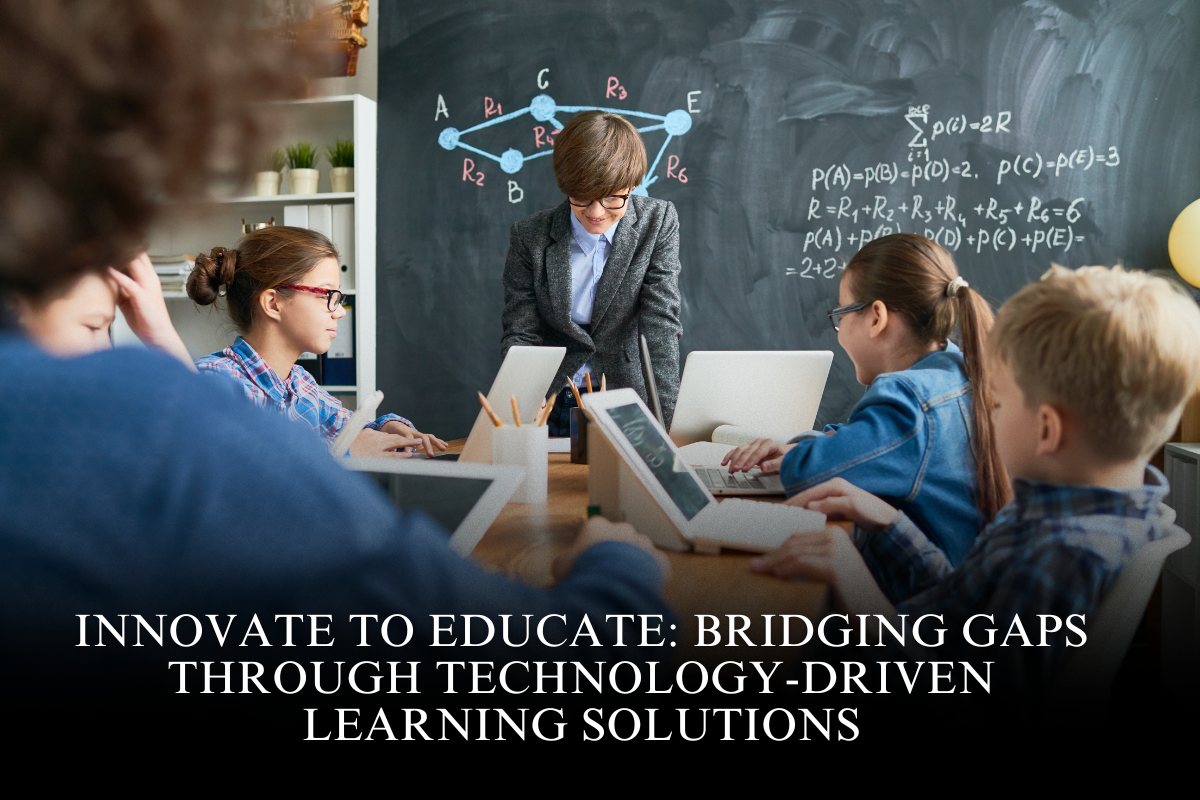
Virtual classrooms connect students in remote areas with experienced teachers worldwide through live sessions and recorded lectures. This digital connection addresses teacher shortages and elevates education quality. Interactive tools within these platforms enable real-time participation and collaborative learning, similar to traditional classrooms.
Microlearning and Credentialing for Lifelong Learning
EdTech supports bite-sized learning modules that fit busy schedules and shorter attention spans. Microcredentials recognize specific skills and competencies, enabling learners to stack qualifications throughout their careers. These flexible pathways democratize education and better align learning outcomes with workforce demands.
Challenges and Ongoing Solutions
Despite its transformative potential, EdTech must overcome challenges like digital divides, ensuring internet and device access, and providing adequate teacher training for effective technology integration. Efforts by governments, nonprofits, and private sectors aim to provide affordable infrastructure and user-friendly platforms to make EdTech inclusive.
Frequently Asked Questions (FAQ)
Q: How do mobile and online learning platforms bridge educational gaps?
A: They remove geographic barriers, enabling access to quality interactive education anytime and anywhere.
Q: What role does AI play in personalized learning?
A: AI adapts content and pacing based on individual learner needs, improving engagement and mastery.
Q: Why is localized content important?
A: It addresses linguistic and cultural diversity, enhancing learning comprehension and inclusivity.
Q: How do virtual classrooms connect remote students with expert teachers?
A: Through live and recorded sessions, interactive tools, and collaboration features, replicating in-person instruction digitally.
Q: What benefits do microlearning and microcredentials offer?
A: They provide flexible, bite-sized learning and recognized skill credentials supporting lifelong, career-aligned education.
Q: What challenges remain for EdTech inclusivity?
A: Access to reliable internet, devices, and teacher training are critical issues addressed by coordinated efforts.