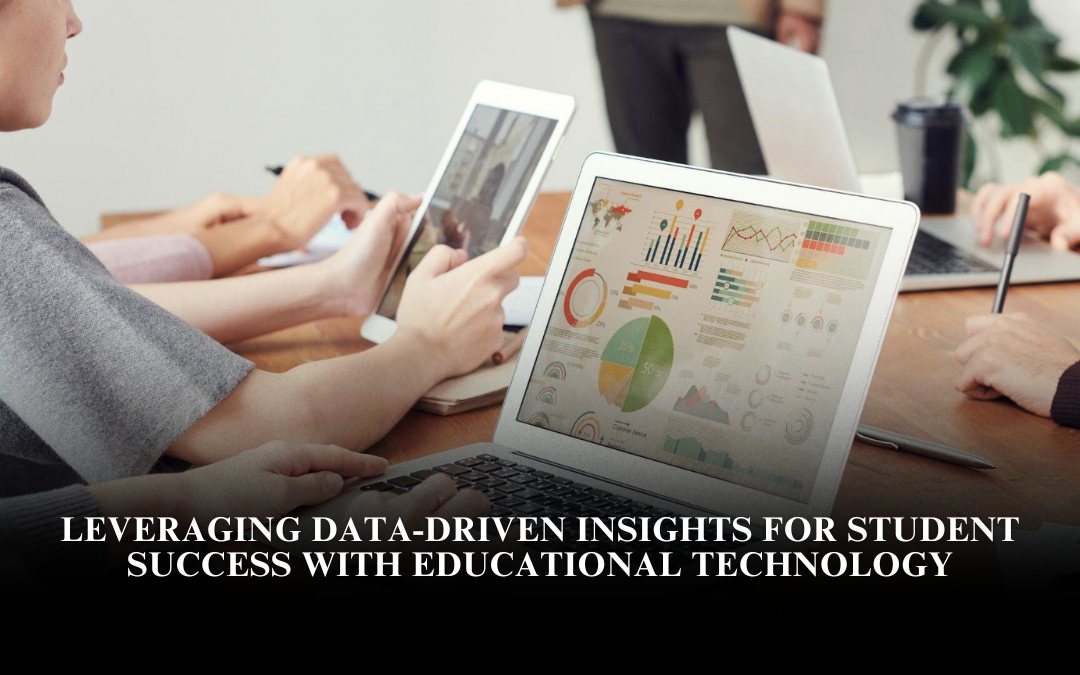
The rapid advancement of educational technology (edtech) in the United States has transformed how schools approach teaching and learning. One of the most impactful aspects of this transformation is the use of data-driven insights to enhance student success.
By analyzing learning patterns, engagement metrics, and performance data, educators can make informed decisions that improve both teaching quality and student outcomes.
Understanding Data-Driven Education
Data-driven education refers to the practice of using measurable information from learning platforms, assessments, and classroom interactions to guide instruction and support students.
Digital tools such as learning management systems (LMS), adaptive learning software, and analytics dashboards collect vast amounts of data.
Teachers use these data points to identify student strengths, weaknesses, and learning preferences, creating a more personalized learning environment.
For example, analytics tools can detect when a student struggles with specific math concepts or spends too little time on reading assignments. Educators can then intervene promptly with tailored resources or one-on-one support, ensuring that no student falls behind.
Enhancing Instruction Through Analytics
Educational technology enables teachers to refine their instructional strategies by providing real-time feedback on what works best in the classroom.
Platforms like Google Classroom, Canvas, or ClassDojo allow educators to track participation, submission rates, and performance trends. Predictive analytics can even forecast student outcomes, helping teachers to modify lesson plans before problems escalate.
Furthermore, school administrators use aggregated data to enhance curriculum design and allocate resources effectively.
For example, if data indicates that science engagement drops after middle school, districts can develop targeted initiatives such as project-based learning or STEM clubs to renew interest.
Promoting Equity and Accessibility
One of the most promising aspects of data-driven education is its potential to close achievement gaps. Educational technology can help identify disparities in student engagement, performance, and access to learning tools.
By analyzing this data, schools can implement targeted support programs for underrepresented or disadvantaged students.
In the U.S., this approach aligns with broader goals of equitable education, ensuring that every student has access to quality learning experiences regardless of their background or socioeconomic status.
Data insights also assist in making learning more inclusive by helping teachers adapt content to diverse learning needs and cultural contexts.
The Human Side of Data
While data plays a crucial role, maintaining a balance between technology and human connection remains essential. Data-driven insights should empower educators rather than replace their judgment.
The ultimate goal is to create a responsive learning ecosystem where data supports human decisions, encouraging collaboration, creativity, and empathy in education.
By leveraging data-driven insights, educational technology reshapes the foundation of student success in the United States. From personalized learning pathways to predictive analytics, the integration of data enables schools to become more adaptive, inclusive, and effective.
As technology continues to evolve, the challenge will lie in using data ethically and responsibly while keeping the focus firmly on student growth and well-being.
FAQs
How does data-driven learning improve student performance?
It helps teachers identify learning gaps quickly, personalize instruction, and provide timely interventions, leading to improved academic outcomes.
What types of data are collected through educational technology?
Common data include attendance, assignment completions, quiz scores, engagement time, and behavioral trends on digital platforms.
Are there privacy concerns with using student data?
Yes. Schools must follow regulations like FERPA to protect student information and ensure that collected data are used ethically.
How can schools ensure equal access to data-driven tools?
Districts can invest in affordable technology, expand broadband access, and provide teacher training to ensure all students benefit equally.
What is the future of data-driven education in the U.S.?
The future points toward increased use of artificial intelligence, predictive analytics, and adaptive platforms that personalize learning in real time.