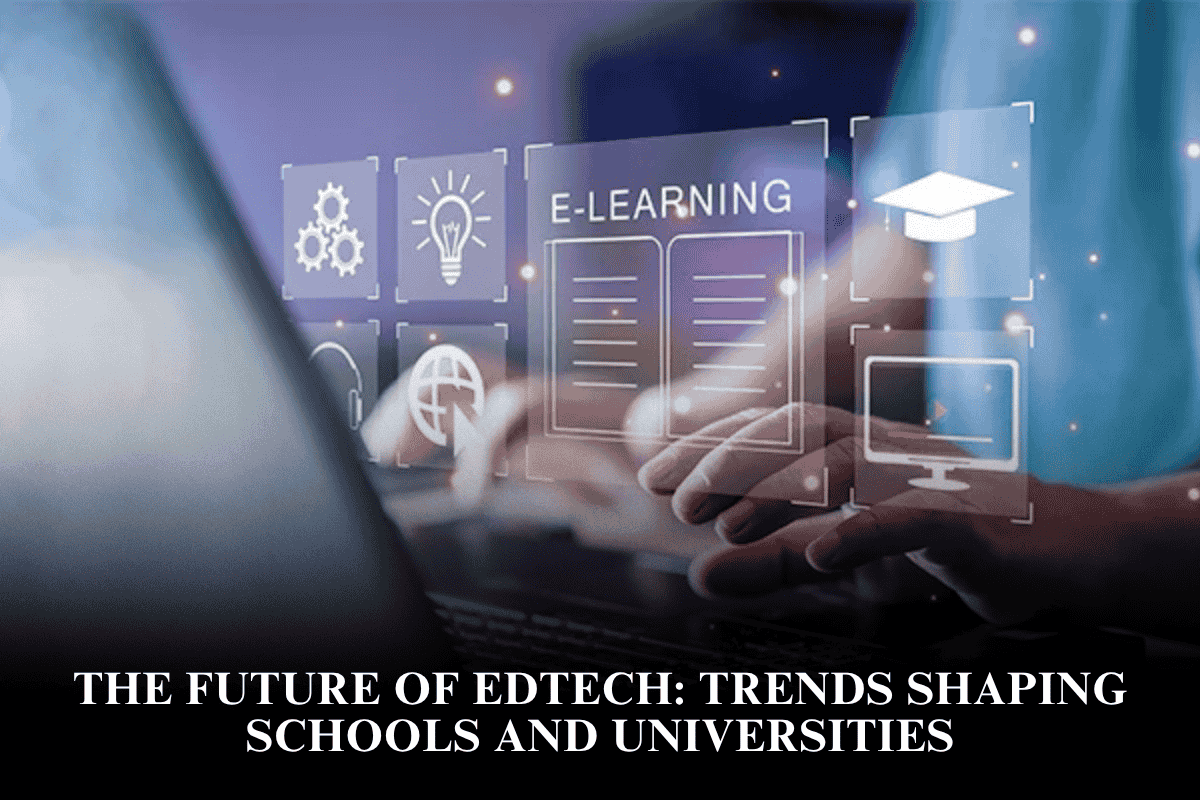
Online learning in the United States is poised for rapid transformation in 2025 and beyond, driven by technological innovation, evolving learner needs, and shifting workforce demands. The future e-learning environment will be personalized, flexible, immersive, and skill-oriented, reshaping how education is accessed and delivered for millions.
Emerging Trends in Online Learning
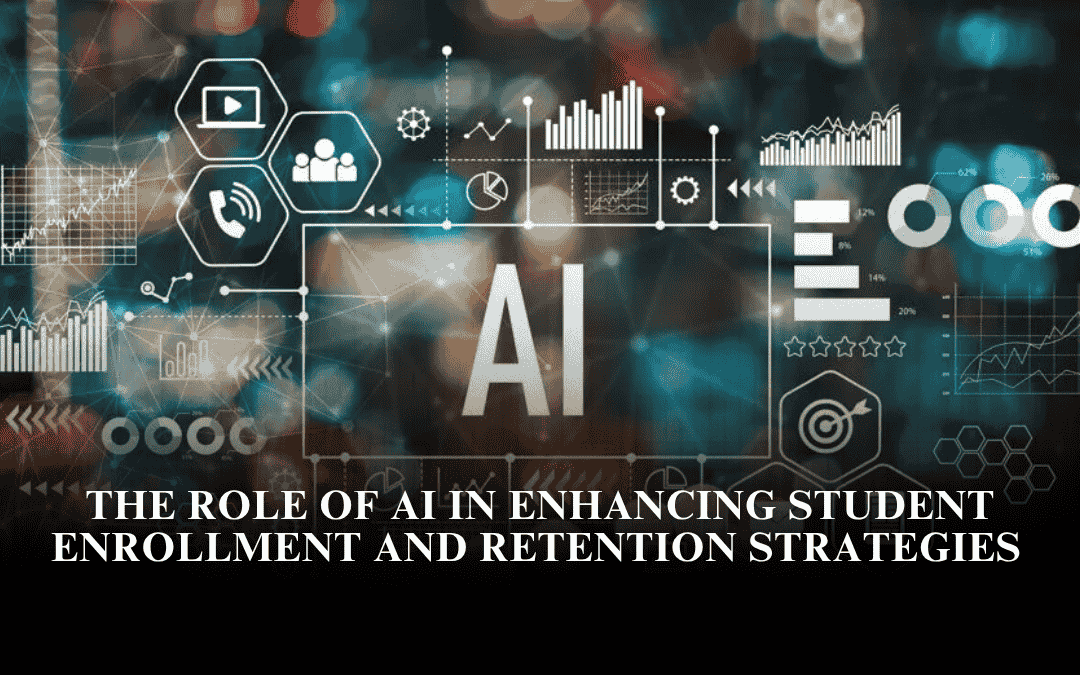
Artificial Intelligence (AI) plays a central role in shaping online education’s future. AI-powered tools enable personalized learning paths tailored to individual student strengths, weaknesses, and preferences, thereby improving engagement and learning outcomes.
Microlearning—delivering focused, bite-sized modules—caters to time-constrained learners seeking quick, effective knowledge acquisition in formats like short videos and interactive quizzes.
Augmented Reality (AR) and Virtual Reality (VR) create immersive learning experiences that bring abstract or complex topics to life. These technologies simulate real-world scenarios, allowing students to practice skills in safe, virtual environments that enhance understanding and retention.
Hybrid learning models combining online and in-person components continue gaining traction, offering greater flexibility and access to diverse educational resources.
Best Practices for Effective Online Learning
Successful online education requires strategic design and delivery. Experts emphasize structured content delivery such as drip-feeding course materials in scheduled segments to prevent learner overwhelm and maintain motivation. Engagement strategies like quizzes, polls, and group discussions foster interaction and community among remote learners, combatting isolation in virtual settings.
Instructors must become proficient with digital learning platforms, utilizing analytics features to monitor student progress and tailor support accordingly. Clear communication and timely, relevant feedback are vital for sustaining student success and satisfaction.
Creating opportunities for learner connection—both with instructors and peers—strengthens motivation and enriches the learning experience.
Impact on Workforce and Education Landscape
Online learning’s future aligns closely with evolving workforce demands for upskilling and reskilling. Flexible, skill-based programs and microcredentials enable continuous professional development, helping workers adapt in fast-changing industries.
The expansion of affordable and accessible online programs democratizes education, reaching diverse populations regardless of geography or background.
Institutions and employers in the US are increasingly embracing data-driven approaches and AI-driven content generation to optimize learning outcomes and operational efficiency.
The rise of immersive and personalized digital education signals a profound shift from traditional models to learner-centered lifelong education ecosystems.
FAQs
How is AI transforming online learning?
AI enables adaptive learning experiences by analyzing student data to personalize content, recommend resources, and provide real-time feedback, making learning more efficient and engaging.
What are microlearning modules?
Microlearning involves short, focused learning units designed for quick consumption, often including videos, quizzes, or simulations, suited for learners with limited time.
How do AR and VR enhance online education?
AR and VR immerse students in interactive 3D environments that simulate real-world experiences, improving comprehension of complex concepts through practical engagement.
What role does student engagement play in online learning?
Engagement through interactive activities, discussions, and community-building combats isolation, keeps motivation high, and improves learning outcomes in virtual settings.
Why is flexible learning important for today’s workforce?
Flexible models such as hybrid courses and microcredentials accommodate working professionals, enabling ongoing skill development necessary to remain competitive.