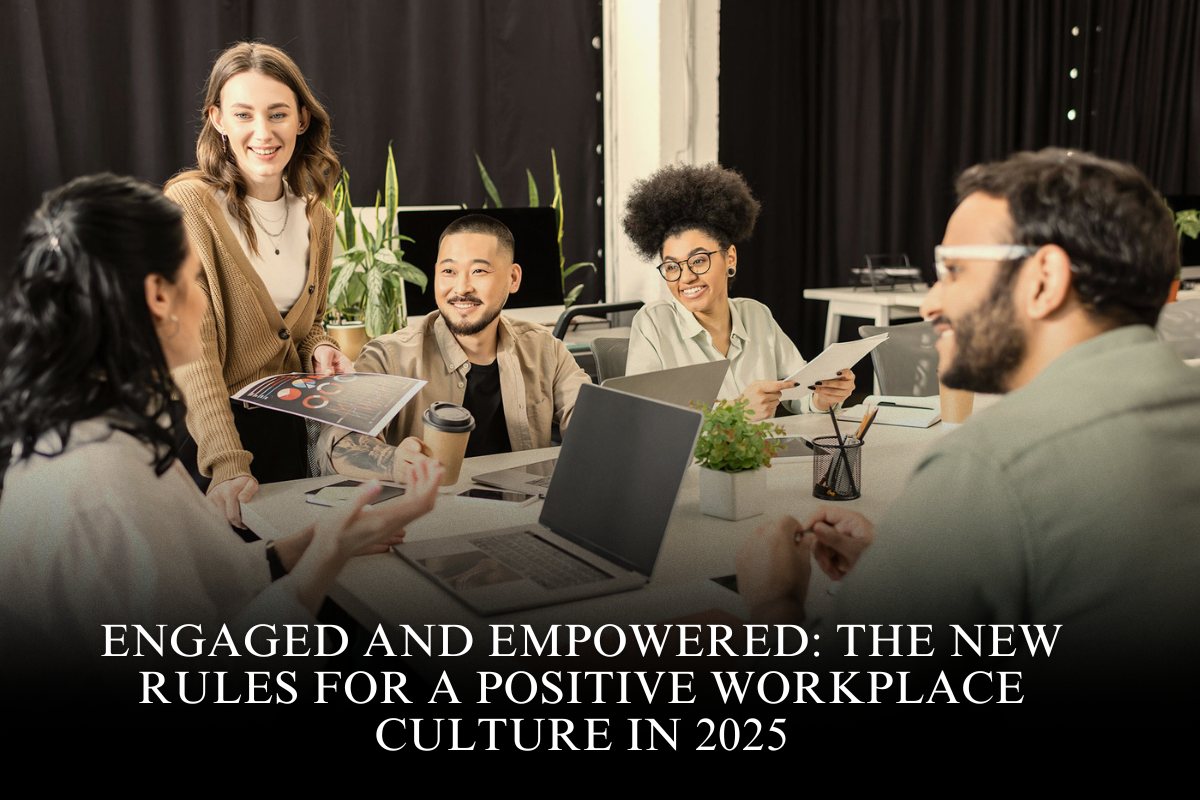
Creating a positive workplace culture is more critical than ever in 2025, as organizations face rapid technological change, evolving workforce expectations, and the imperative to foster meaningful human connections. An engaged and empowered workforce drives innovation, productivity, and retention, making culture a cornerstone of competitive success.
Hybrid Work and Flexibility
The ongoing normalization of hybrid and flexible work arrangements is reshaping workplace culture. Employees now expect autonomy to balance remote and in-office work, promoting better work-life integration and satisfaction. Organizations embracing flexible policies experience higher engagement and attract diverse talent by accommodating varied personal and professional needs.
Integration of Technology with Human Connection
While AI and automation optimize workflows and reduce repetitive tasks, true engagement arises from meaningful human interactions. The best workplaces blend technological efficiency with empathy, ensuring that digital tools augment rather than replace authentic communication and relationship-building.
Renewed Focus on Employee Well-Being
Well-being programs addressing mental, physical, and financial health have moved to the forefront. Employers who demonstrate genuine care through comprehensive benefits, wellness resources, and burnout prevention initiatives foster trusting cultures where employees feel supported and valued, directly boosting engagement and performance.
Closing the Skills Gap Through Continuous Learning
Rapid change requires continuous upskilling and reskilling. Companies that provide strategic learning programs and encourage adaptability enable their workforce to remain competent and confident amid evolving demands. A learning-oriented culture enhances employee satisfaction and business agility.
Purpose-Driven Work and Inclusivity
Employees increasingly seek workplaces with clear values and social responsibility. Aligning organizational purpose with inclusive practices cultivates a culture of belonging and meaning. Leaders who model and embed these values motivate employees beyond financial incentives, fostering loyalty and passion.
Transparent Communication and Accountability
Open, honest communication paired with clear accountability strengthens trust between leadership and employees. Transparency about organizational changes, expectations, and performance results in more engaged teams. Accountability systems that balance high standards with support and recognition cultivate a culture of excellence and mutual respect.
Generational Diversity and Leadership Adaptation
The multigenerational workforce, especially Gen Z’s rising presence, demands leaders evolve leadership styles and workplace norms. Emphasizing autonomy, feedback, and digital proficiency while respecting diverse preferences is essential to engage the entire workforce effectively.
Frequently Asked Questions (FAQ)
Q: How is hybrid work influencing workplace culture?
A: Hybrid work promotes autonomy, improves work-life balance, and attracts diverse talent, resulting in higher employee engagement.
Q: Can technology replace human connection at work?
A: No, while AI improves efficiency, meaningful engagement depends on authentic human relationships and communication.
Q: Why is employee well-being key to engagement?
A: Well-being programs reduce burnout, build trust, and make employees feel valued, directly boosting performance and retention.
Q: How does continuous learning impact culture?
A: It equips employees to adapt to change, increases satisfaction, and supports organizational agility.
Q: What role does purpose play in workplace culture?
A: Purpose-driven work connects employees to meaningful goals and inclusive values, fostering loyalty and passion.
Q: Why is transparency important in leadership?
A: Transparent communication builds trust, clarifies expectations, and fosters a culture of accountability and respect.
Q: How do leaders adapt to generational diversity?
A: By evolving leadership styles to emphasize autonomy, feedback, and digital savvy, leaders effectively engage diverse age groups.