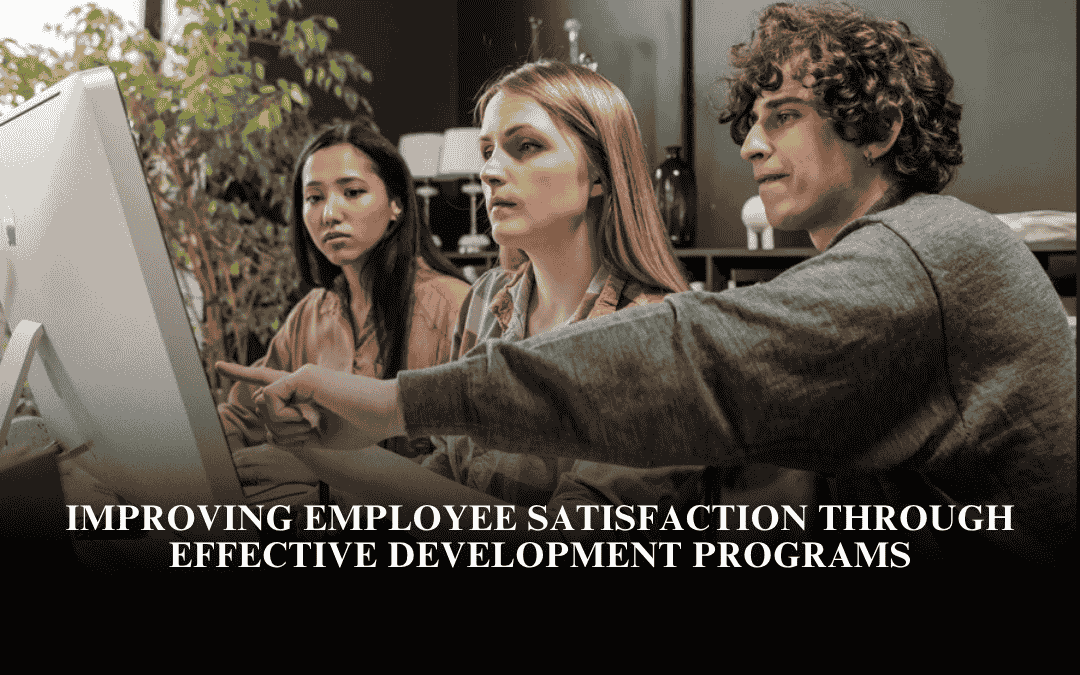
Employee satisfaction is a cornerstone of organizational success, directly impacting productivity, retention, and workplace culture. In the United States, companies are increasingly investing in effective employee development programs designed to enhance skills, foster career growth, and boost morale.
These programs not only address employees’ aspirations but also align individual growth with business objectives, creating a mutually beneficial environment.
Key Elements of Employee Development Programs
Effective development programs begin with understanding both the company’s goals and the employee’s current capabilities and career aspirations. A skill matrix assessment helps identify gaps and tailor development activities accordingly.
Clear learning objectives are set collaboratively between employees and managers, providing structured pathways for growth.
Development opportunities can range from formal education such as tuition reimbursement and online courses to workshops, mentorship, and cross-departmental projects.
Setting clear timelines and regularly tracking progress ensures these plans stay on course, with feedback loops to adapt as needed. The focus on continuous learning and adaptability is critical in today’s fast-evolving workplace.
Popular Development Programs in 2025
Leading companies in the US offer diverse development programs to meet various employee needs:
- Leadership Development: Programs focused on nurturing future leaders through coaching, decision-making training, and inclusive leadership skill building. These help create a strong leadership pipeline.
- Technical and IT Skills Training: With digital transformation accelerating, upskilling in areas like cloud computing, cybersecurity, and AI is essential for workforce relevance.
- Soft Skills and Wellness Programs: Training on communication, emotional intelligence, and well-being supports holistic employee growth and workplace harmony.
- Customized Learning Paths: Personalized training plans based on skill assessments motivate employees by addressing their unique needs and career goals.
Benefits for Employees and Organizations
Employee development programs increase job satisfaction by making employees feel valued and invested in. This results in higher retention, stronger engagement, and greater productivity. Such programs also prepare employees for future roles, enhancing succession planning and organizational resilience.
Moreover, development initiatives improve workplace culture, encourage innovation, and help bridge skills gaps amid market changes. Providing opportunities for career advancement through learning is a key driver for attracting and keeping top talent in competitive labor markets.
FAQs
Why are employee development programs important?
They enhance employee skills, increase job satisfaction, improve retention, and align personal growth with business needs, thus driving overall company success.
What types of development programs are most effective?
Programs that combine formal education, skill-based training, leadership coaching, mentorship, and wellness initiatives tend to be the most impactful.
How can companies track the success of development programs?
By setting clear learning objectives, timelines, and regularly monitoring progress and outcomes, companies can adapt programs to ensure they meet employee and business goals.
How do development programs affect employee retention?
Employees who see clear career growth opportunities are more satisfied and less likely to leave, reducing turnover and associated costs.
What trends are shaping employee development in 2025?
Personalized learning paths, digital skills training, leadership development, and holistic wellness programs are all prominent trends in employee development.