Student retention remains a critical focus for colleges and universities across the United States in 2025. New research highlights innovative strategies that combine data-driven systems, holistic support services, and community-building efforts to enhance student success and persistence to graduation.
Data-Driven Early Warning Systems
One of the most impactful advances in student retention research is the implementation of Early Warning Systems (EWS). These systems use academic data, attendance records, and behavioral indicators to identify students at risk of dropping out long before crises emerge.
Early outreach enables institutions to intervene proactively with academic advising, tutoring, and counseling support tailored to individual needs.
Research shows that schools using EWS can reduce dropout rates significantly and improve student outcomes through timely assistance and automated alerts to advisors and faculty.
Holistic Student Support Services
Research underscores that academic performance is only one piece of student retention. Holistic services addressing mental health, financial stability, and social belonging are essential.
Campuses increasingly embed mental health counselors into academic and residential settings, offer telehealth options, and train faculty and staff to recognize distress signals early.
Financial wellness programs, including emergency grants and budgeting workshops, help alleviate economic barriers that often lead to attrition. Institutions with robust holistic support frameworks report retention rates as high as 91%.
Community Building and Engagement
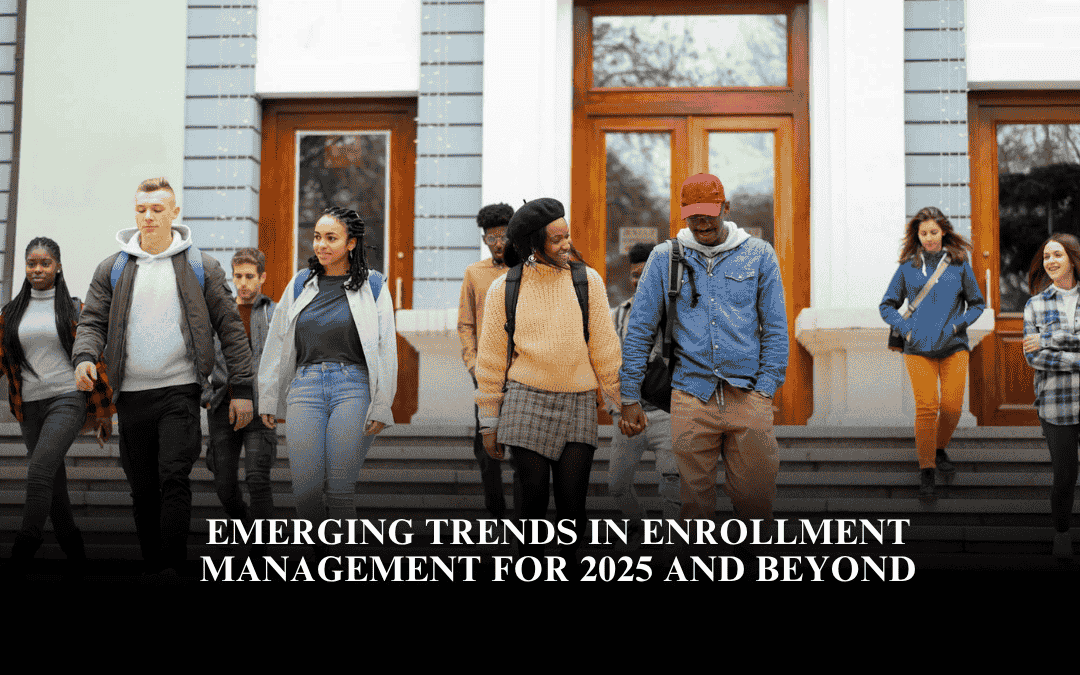
Creating a strong sense of community is proven to enhance student persistence. Cohort models, peer mentoring, and interest-based student organizations foster connections and belonging.
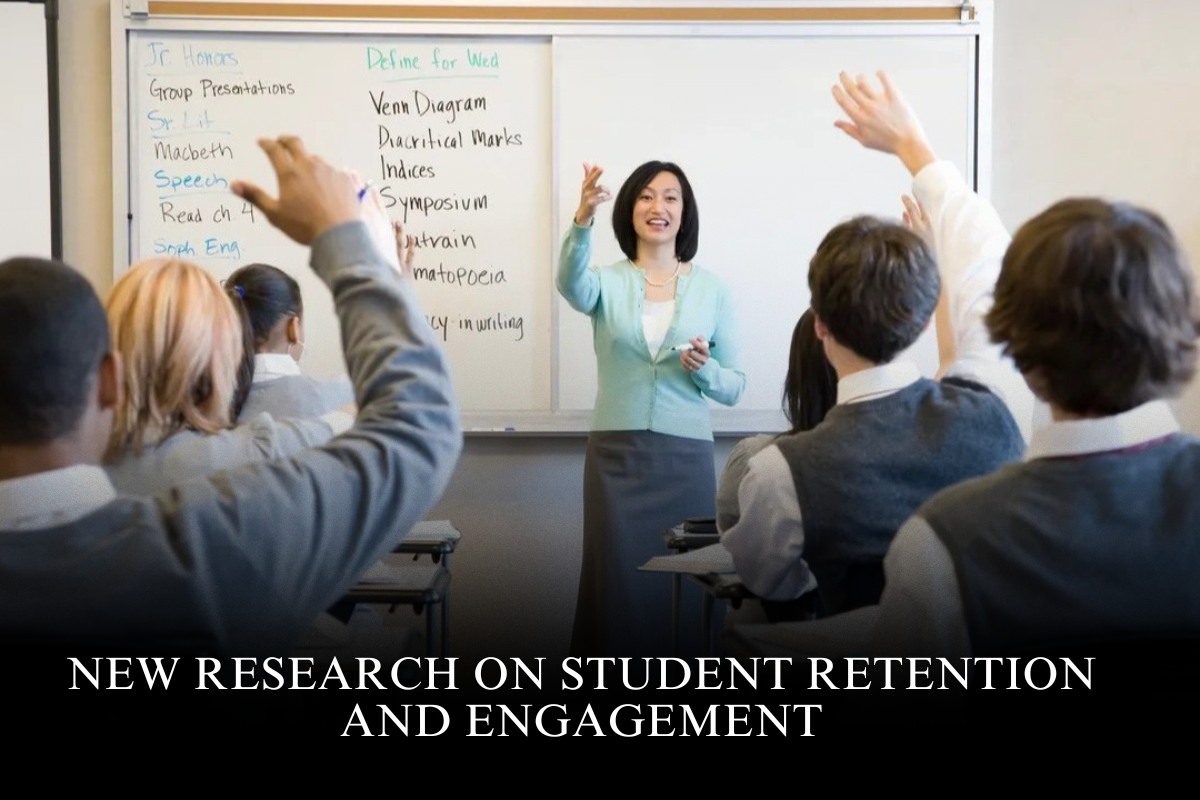
Learning communities where students take linked courses together enhance academic cohesion and social support.
Events celebrating cultural diversity and leadership development opportunities further increase engagement, empowering students to become active contributors to campus life. These strong social bonds have been correlated with an 18% increase in retention.
Leveraging Technology and Personalized Learning
Technology plays a dual role in retention efforts—both as a tool to monitor and support students and as a means to engage them digitally. Mobile platforms enable continuous communication and real-time progress tracking, while AI chatbots provide on-demand assistance.
Personalized academic planning tools and 24/7 tutoring services deliver tailored learning experiences, bridging gaps created by hybrid and remote learning environments. Institutions employing these technologies see significant boosts in student connection and success rates.
FAQs
What is an Early Warning System in education?
An Early Warning System is a data-driven tool that monitors academic performance, attendance, and behavior to identify students at risk of dropping out, enabling proactive support interventions.
How do holistic support services impact student retention?
Services addressing mental health, financial aid, and social belonging remove barriers that impede academic success, leading to higher retention rates and overall well-being among students.
Why is community engagement important for student success?
Strong social connections through peer mentoring, cohort courses, and student organizations increase motivation, belonging, and persistence, which are critical for long-term retention.
How is technology being used to support student retention?
Technology enhances monitoring through real-time data, facilitates personalized learning with 24/7 tutoring, and promotes continuous student engagement via mobile and AI tools.