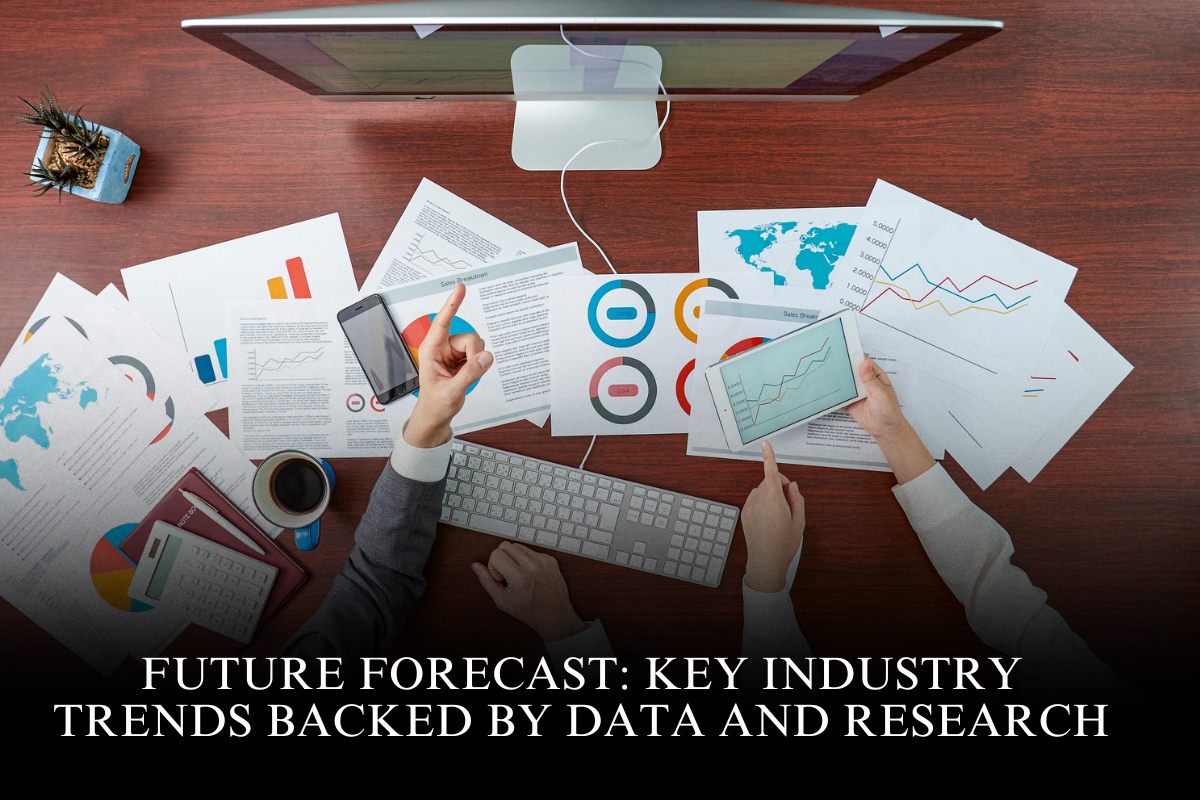
The year 2025 is accelerating transformative shifts across industries, driven by the convergence of advanced technologies, evolving consumer behaviors, and pressing societal needs. Grounded in robust data and research insights, key trends are shaping economic, technological, and social landscapes, providing a roadmap for businesses, governments, and individuals preparing for the future.
Artificial Intelligence and Automation Revolution
AI and automation continue to lead innovation across sectors. By 2025, 86% of industries implement AI to optimize processes, enhance decision-making, and improve customer experiences. Robotics and intelligent automation streamline labor-intensive tasks, increase productivity, and reduce errors. Research indicates companies integrating AI-driven tools report at least 30% gains in operational efficiency and up to 50% growth in customer satisfaction.
Data Analytics and Real-Time Insights
The explosion of data volume and the adoption of real-time analytics empower businesses to predict trends, refine strategies, and respond swiftly to market dynamics. Advanced analytics combining machine learning, natural language processing, and edge computing expand decision-making capabilities while democratizing access to insights across organizational levels. Global studies forecast the data analytics market to surpass $130 billion by 2026, underscoring its centrality to competitive advantage.
Sustainable Business Practices and Circular Economy
Sustainability research informs the growing shift toward circular economy models emphasizing waste reduction, resource efficiency, and renewable energy use. Consumer preference increasingly aligns with eco-conscious brands, reinforcing the business case for sustainability. Organizations adopting comprehensive ESG (Environmental, Social, Governance) strategies outperform peers on financial and reputational metrics, validating sustainability as a strategic imperative.
Digital Transformation and Customer Experience
Digital media consumption trends highlight the rise of hyperscale social video platforms and immersive content, altering marketing and engagement tactics. Predictive analytics and personalized digital experiences drive deeper connections with customers, enhancing loyalty. Companies that leverage digital transformation initiatives achieve accelerated growth and differentiation in crowded markets.
Healthcare Innovation and Personalized Medicine
Research breakthroughs in genomics, AI diagnostics, and wearable health technologies are revolutionizing patient care. Predictive analytics enables early diagnosis and tailored treatments, improving outcomes and cost efficiency. The integration of Internet of Medical Things (IoMT) devices facilitates continuous monitoring and real-time intervention, reshaping the healthcare delivery model.
Evolving Workforce and Skills Development
The future of jobs report projects that technological advancements will demand continuous upskilling and adaptability. AI-powered market intelligence and sentiment tracking enable HR strategies targeting workforce engagement and productivity. Skills-centric educational models and microlearning platforms support lifelong learning, equipping workers for rapidly shifting employment landscapes.
Ethical AI and Privacy Assurance
As AI permeates decisions, research stresses the importance of fairness, bias mitigation, and transparency. Privacy-enhancing technologies like blockchain and zero-trust security frameworks become standard to safeguard data integrity and build trust. Ethical governance of AI environments is critical for sustaining societal acceptance and regulatory compliance.
Global Supply Chain Transparency and Resilience
Market research highlights the critical need for supply chain visibility amid geopolitical and environmental disruptions. Advanced analytics facilitate risk assessment, contingency planning, and agile logistics management. Collaborative platforms connecting stakeholders improve resilience and responsiveness, safeguarding business continuity.
Consumer-Centric Market Research
Companies shift from retrospective data analysis to real-time consumer sentiment tracking across digital channels. Personalized, on-demand research enables agile product development and marketing. Sustainability metrics increasingly integrate into consumer preference analysis, influencing brand positioning and innovation.
Mergers, Acquisitions, and Market Consolidation
Economic analyses reveal cautious yet strategic activity in global M&A markets. Data-driven due diligence and value creation planning dominate deals. Organizations prioritize digital asset acquisitions and sustainability-aligned partnerships to future-proof competitive positions amid uncertainty.
Frequently Asked Questions (FAQ)
Q: What industries lead AI adoption in 2025?
A: Nearly all sectors, particularly manufacturing, healthcare, retail, and finance are harnessing AI for operational optimization.
Q: How critical is data analytics for business success?
A: Data analytics is central, with companies using real-time insights to adapt strategies and achieve measurable growth.
Q: Why is sustainability a business priority?
A: Sustainability improves brand loyalty, financial performance, and regulatory compliance while addressing global environmental challenges.
Q: How is digital transformation impacting customer experience?
A: It enables personalized marketing and immersive engagement, fostering deeper consumer relationships.
Q: What are the healthcare sector’s key tech innovations?
A: AI diagnostics, personalized medicine, wearable devices, and continuous monitoring improve care quality and efficiency.
Q: How important is workforce upskilling?
A: It is vital to meet evolving job requirements and maintain productivity in technology-driven economies.
Q: What measures ensure AI ethics and privacy?
A: Fairness protocols, bias mitigation, transparency, and blockchain-driven security maintain trust and compliance.
Q: Why focus on supply chain resilience?
A: To navigate global disruptions and ensure consistent delivery in complex markets.