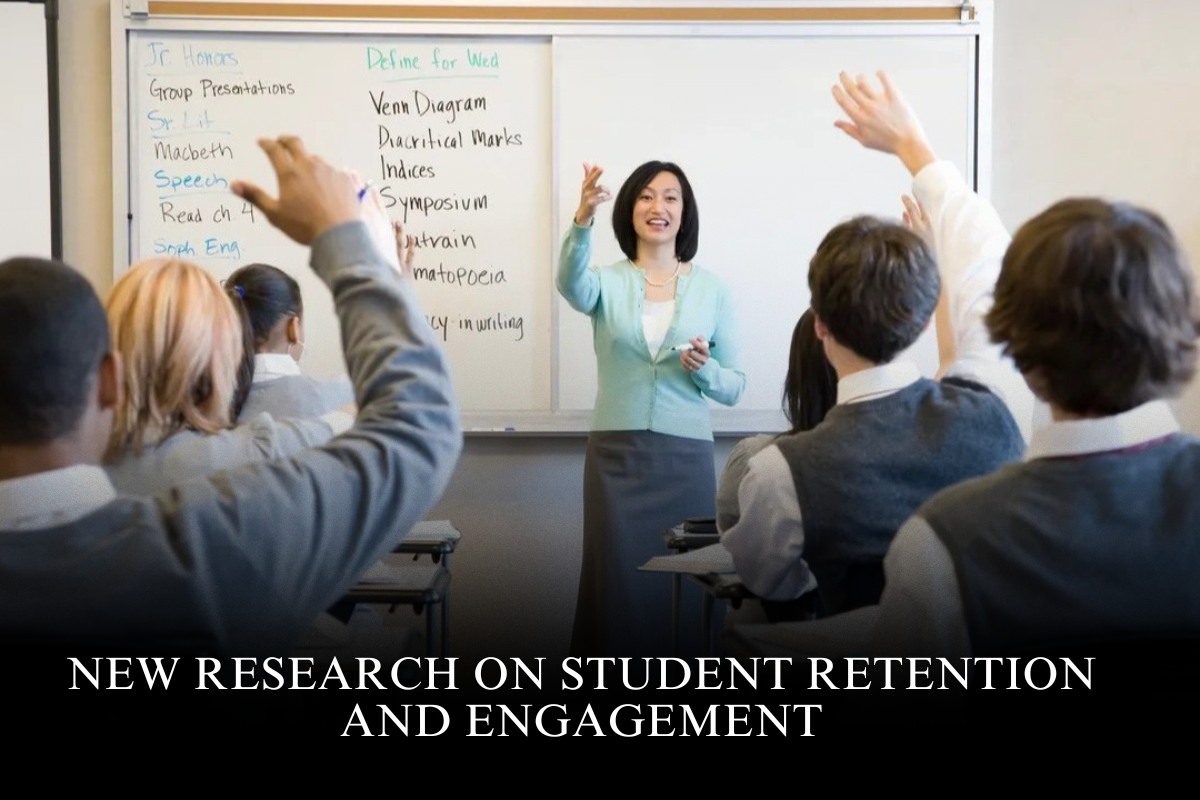
Student retention and engagement remain critical focal points for educational institutions striving for academic excellence and sustainable success. As 2025 unfolds, new research reveals evolving patterns, innovative strategies, and emerging challenges shaping how schools and universities support students in persisting through their educational journeys. This article examines key findings from contemporary studies, highlighting practical approaches to enhance retention and foster authentic engagement.
Current Landscape of Student Retention and Engagement
Statistics from 2025 indicate that approximately 23% of undergraduate students drop out annually, with significant variations across institution types and demographic groups. Public and nonprofit institutions report higher retention and graduation rates compared to for-profit counterparts. Gender and socioeconomic disparities persist, emphasizing the need for tailored interventions. Despite challenges, about 73% of students rate their educational experience positively, signifying opportunities to build on satisfaction levels.
Data-Driven Early Warning Systems
New research highlights the efficacy of predictive analytics and early alert systems in identifying at-risk students well before academic failure becomes apparent. Colleges employing real-time monitoring of attendance, course participation, and performance detect disengagement indicators promptly. Combined with personalized outreach by advisors, these systems enable timely interventions that boost retention rates and move institutions from reactive to proactive support models.
Holistic and Personalized Support Ecosystems
Effective retention demands addressing both academic and non-academic barriers. Institutions increasingly provide comprehensive services encompassing mental health support, financial aid, peer mentoring, and career planning. Personalized academic advising aligned with students’ goals, backgrounds, and challenges fosters trust and connection, a critical factor in student persistence. Digital platforms enable flexible support accessible anytime and anywhere, crucial for diverse and non-traditional learners.
Linking Engagement to Career Readiness
Insights reveal that aligning academic curricula with labor market demands and offering hands-on experiences significantly enhances student engagement and motivation. Universities fostering strong career services, internships, and industry partnerships see improved commitment and reduced dropout rates. This approach prepares students not only for graduation but for successful transitions into the workforce or entrepreneurship.
Addressing Mental Health and Well-Being
Mental health challenges remain a leading cause of academic disruption. Research underscores the importance of accessible counseling services, wellness programs, and inclusive campus cultures promoting psychological safety. Institutions demonstrating tangible commitment to well-being witness higher retention and better academic outcomes, highlighting wellness as foundational to engagement strategies.
Adapting to Gen Z Needs and Preferences
Studies focusing on Generation Z emphasize their preference for flexible, technology-enhanced learning combined with personal connections. Blending asynchronous and synchronous learning, integrating social engagement tools, and promoting inclusivity are key to meeting their expectations. Institutions adapting to these preferences design more effective retention and engagement frameworks.
Frequently Asked Questions (FAQ)
Q: What are the main causes of student attrition in 2025?
A: Key causes include academic struggles, financial pressures, mental health issues, and lack of engagement with campus life.
Q: How do early warning systems improve student retention?
A: By detecting disengagement signs early through data analytics, institutions can intervene proactively with personalized support.
Q: Why is holistic support important?
A: It addresses diverse student needs beyond academics, including mental health and financial aid, fostering persistence.
Q: How does linking education to careers affect engagement?
A: Career alignment motivates students through relevant experiences and clearer job pathways, increasing commitment.
Q: What mental health strategies support retention?
A: Accessible counseling, wellness initiatives, and a supportive campus culture enhance psychological safety and success.
Q: How do Gen Z preferences shape engagement?
A: Preferences for flexible, tech-supported, and socially connected learning inform modern retention models.