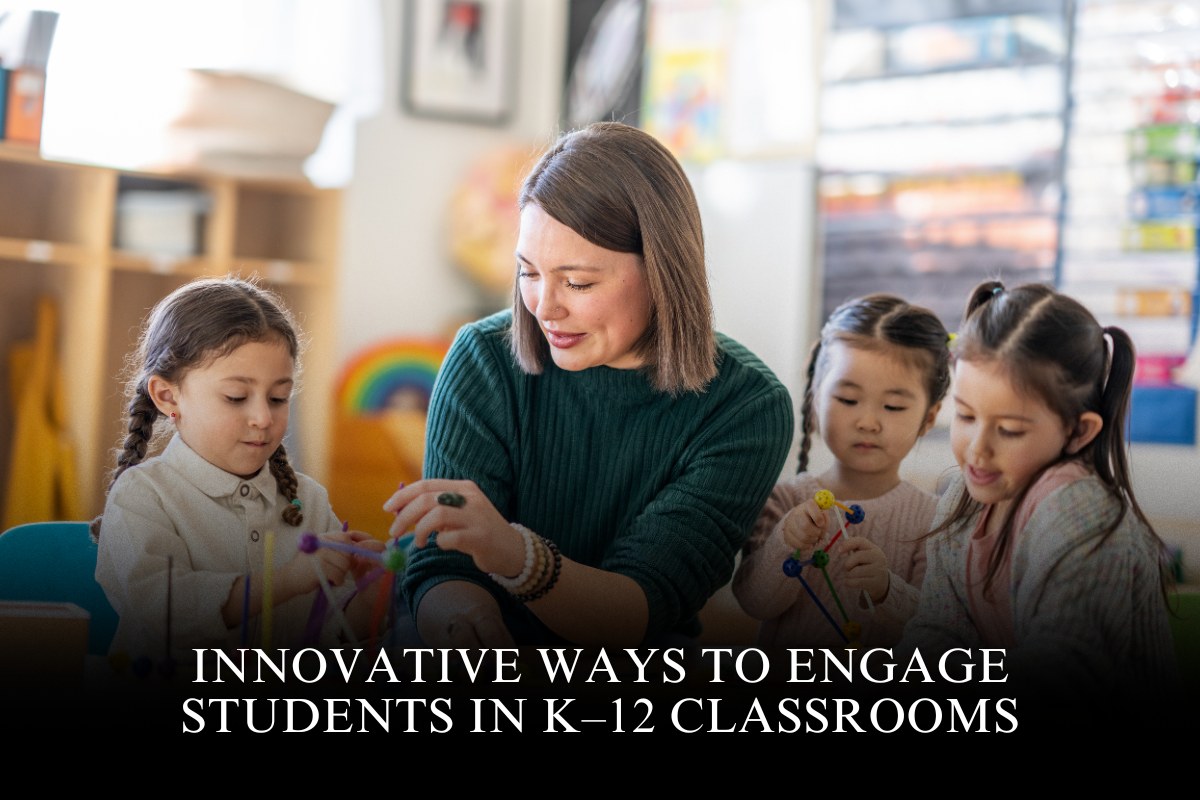
Engaging students meaningfully in K–12 classrooms is critical for deep learning and academic success. As attention spans shorten and digital distractions increase, educators need innovative strategies to capture curiosity, foster collaboration, and fuel intellectual commitment. In 2025, a combination of technology, personalized learning, and hands-on approaches is transforming how teachers connect with students.
Project-Based and Experiential Learning
Project-based learning (PBL) and experiential activities shift the classroom from a passive environment to an active exploration space. Students work on real-world problems and projects, encouraging creativity and critical thinking.
For example, students might investigate local environmental issues, design solutions, and present their findings, which makes learning relevant and engaging. Experiential learning extends beyond school walls, bringing history, science, and social studies to life through community involvement and interactive simulations.
Personalization and Interest-Based Learning
Recognizing each student’s unique interests and strengths enhances engagement by allowing learners to connect schoolwork to their passions. Interest-based lesson personalization uses choice boards, differentiated assignments, and project menus to provide multiple pathways to meet learning goals.
For instance, a sports enthusiast might analyze statistics through baseball data, while an artist could create visual representations of scientific concepts. This individualized approach gives students ownership of their education and motivates deeper participation.
Leveraging Technology and Gamification
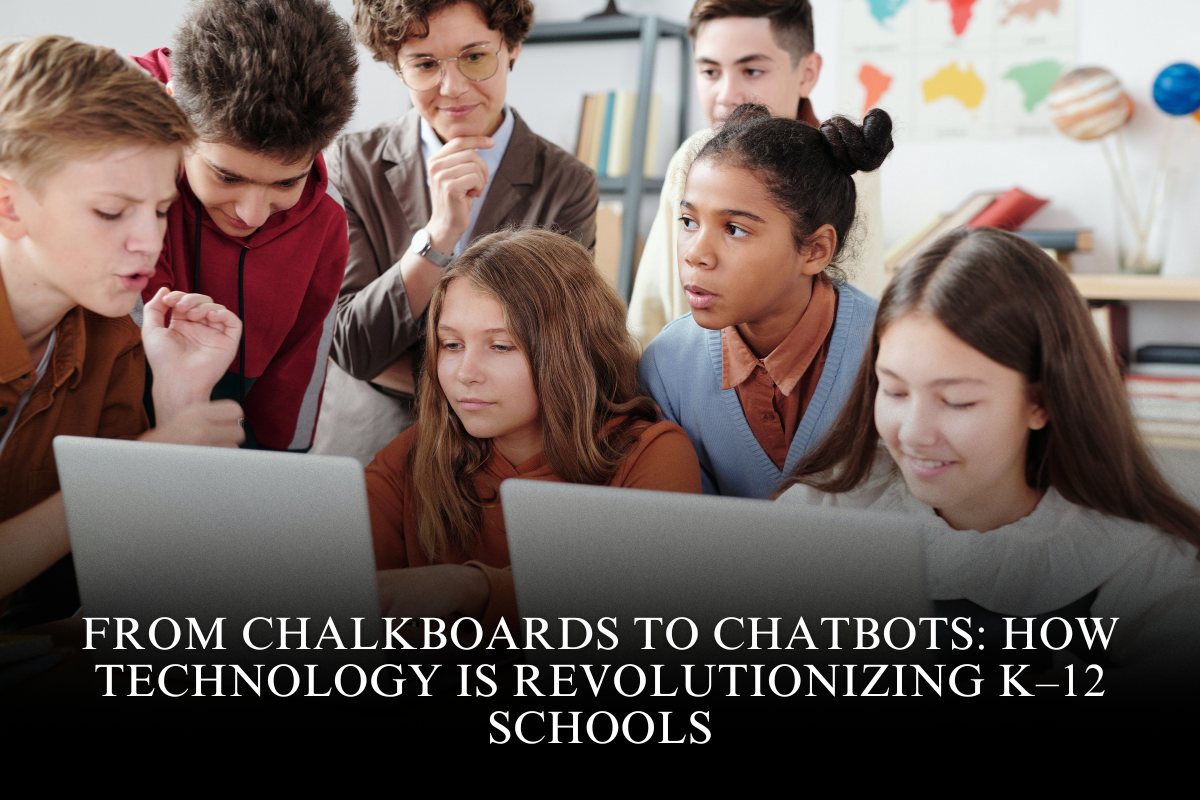
Technology is a powerful tool to transform engagement by providing interactive, multimedia-rich experiences. Digital platforms enable real-time quizzes, virtual collaboration, and adaptive feedback tailored to learner needs.
Gamification techniques—turning learning challenges into quests, awarding badges, or using leaderboards—tap into students’ competitive and social impulses, making lessons fun and motivating sustained effort. Tools like PlayPosit for interactive videos or collaboration apps foster interactivity beyond traditional lectures.
Collaborative Learning and Peer Teaching
Group work and collaborative activities harness social interaction as a learning catalyst. Structured peer discussions, team projects, and multimedia productions encourage students to share ideas, negotiate meaning, and develop communication skills.
Additionally, empowering students to become teachers—for example, explaining newly learned concepts to classmates—strengthens understanding and builds confidence. Collaborative learning fosters community and accountability, reducing passivity in the classroom.
Reflective Practices and Student Voice
Encouraging students to reflect on their learning helps build metacognition and self-regulation. Reflection activities, such as journaling or group discussions about successes and challenges, promote continuous improvement and self-awareness.
Moreover, providing students with a voice in classroom decisions—ranging from project topics to assessment methods—empowers them and signals that their opinions matter. This participatory approach motivates ongoing engagement and investment in learning outcomes.
Frequently Asked Questions (FAQ)
Q: What is project-based learning, and why is it effective?
A: Project-based learning engages students in meaningful, real-world problems that require critical thinking and creativity, making education relevant and motivating deeper intellectual commitment.
Q: How does technology enhance student engagement?
A: Technology offers interactive tools, gamified experiences, and personalized feedback that keep students actively involved and cater to diverse learning styles.
Q: How can teachers personalize learning for diverse student interests?
A: Teachers use choice boards, differentiated projects, and flexible assignments that allow students to connect academic concepts to their personal interests, increasing motivation and ownership.
Q: Why is collaborative learning important?
A: Collaboration develops social skills, encourages peer teaching, and fosters a supportive classroom community where students learn from each other actively rather than passively listening.
Q: What role do reflection and student voice play in engagement?
A: Reflective activities encourage self-awareness and continuous learning improvements, while student voice in decisions increases motivation by making learning personalized and relevant.