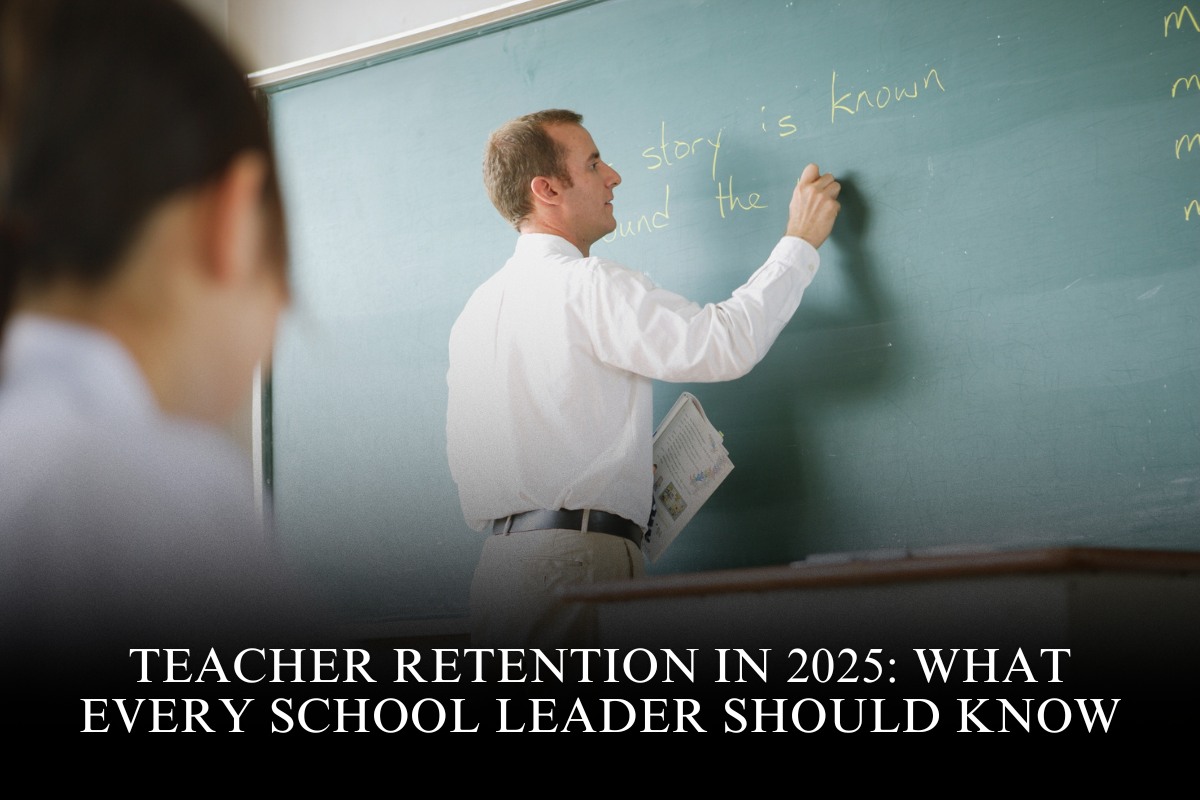
Teacher retention remains a critical issue for school leaders in 2025, as districts continue to grapple with shortages, high turnover, and the need to support educators in increasingly demanding environments. Understanding the latest trends, challenges, and evidence-based strategies is essential for building a stable, motivated, and effective teaching workforce.
The State of Teacher Retention in 2025
Recent data shows that teacher shortages persist across the United States, with about 1 in 8 teaching positions either unfilled or filled by teachers not fully certified for their assignments. Attrition rates remain high, with less than one-fifth of departing teachers retiring; most leave due to factors like low pay, career dissatisfaction, and the pursuit of other opportunities. While the percentage of teachers planning to leave their jobs has declined slightly from 22% in 2024 to 16% in 2025, concerns about burnout and well-being remain significant.
Key Challenges Facing Teachers
Several interrelated factors contribute to teacher turnover and dissatisfaction:
- Workload and burnout: Teachers report working an average of 49 hours per week, often exceeding contracted hours due to lesson planning, grading, and administrative tasks.
- Compensation: Despite recent increases in average teacher salaries, pay remains a major concern, especially in states without collective bargaining, where teachers are less likely to receive raises.
- Professional isolation and lack of growth: Many teachers, especially in rural or under-resourced schools, feel isolated and lack access to professional development or advancement opportunities.
- Student behavior and accountability pressures: Teachers cite pupil behavior and high-stakes accountability as sources of stress and frustration.
Effective Strategies for Improving Retention
School leaders can take concrete steps to address these challenges and foster a supportive environment for teachers:
Invest in Professional Development
Meaningful, ongoing, and job-embedded professional development is a powerful retention tool. Effective PD is sustained, relevant, collaborative, and supportive, helping teachers feel respected and connected to their school community. Programs that offer personalized growth pathways, mentorship, and opportunities for leadership can significantly boost retention, especially among mid-career teachers.
Build Teacher-Led Learning Communities
Creating structures for peer learning, such as structured learning cycles, cross-grade learning walks, and teacher-led PD sessions, fosters a culture of collaboration and belonging. When teachers drive their own professional learning, they are more likely to stay engaged and invested in their schools.
Prioritize Work-Life Balance and Well-Being
Reducing administrative burdens, offering flexible schedules, and providing mental health resources can help prevent burnout. Schools that systematically support teacher well-being see lower rates of turnover and higher job satisfaction.
Recognize and Reward Teachers
Celebrating teacher achievements, providing opportunities for leadership, and offering tangible rewards for professional growth show teachers their hard work is valued. Recognition programs can be simple but impactful, such as monthly learning showcases or professional learning portfolios.
Foster Teacher Voice and Decision-Making
Teachers are more likely to stay in schools where they feel respected as professionals and have genuine input into decisions that affect their work. Involving teachers in curriculum design, PD planning, and school policy decisions builds ownership and investment in school success.
Frequently Asked Questions (FAQs)
Q: What are the main reasons teachers leave the profession in 2025?
A: The primary reasons include low pay, excessive workload, career dissatisfaction, and the pursuit of other opportunities. Burnout and lack of professional growth also play significant roles.
Q: How can school leaders improve teacher retention?
A: Leaders can invest in meaningful professional development, build teacher-led learning communities, prioritize work-life balance, recognize and reward teachers, and foster teacher voice in decision-making.
Q: What impact do teacher shortages have on students?
A: Teacher shortages often lead to increased class sizes, reliance on underprepared teachers, and canceled courses, all of which undermine student achievement and disproportionately affect students from lower-income backgrounds and students of color.
Q: Are there specific subjects with the most severe shortages?
A: Special education, science, math, elementary education, language arts, and career and technical education are among the areas with the most widespread shortages.
Q: What role does compensation play in teacher retention?
A: Competitive pay is a key factor in retaining teachers, especially in states without collective bargaining, where teachers are less likely to receive raises.